How to care for figs in autumn? These autumn management methods you need to master
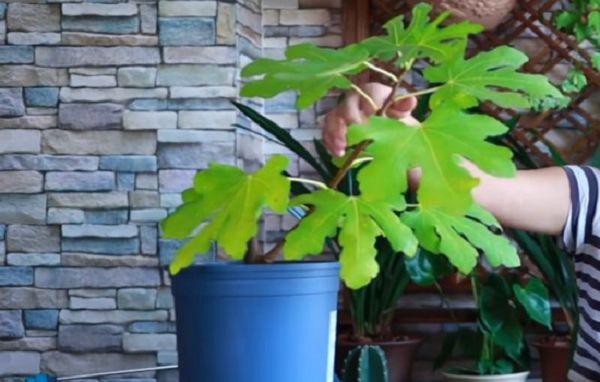
Many gardening friends like to grow some flowers and plants at home to decorate their space and enhance the taste of their home environment, and for those who love fruit, it is generally recommended to grow some fruit plants at home. Potted figs are a good choice, as they can be used for ornamentation or to decorate the home environment, while also allowing you to harvest the fruit for eating when it ripens.
The flowering and fruiting period of figs is from May to July. Autumn has now arrived, and the fruit has long since ripened. But if the fully ripe fruit is not picked in time, it can remain on the plant until October. However, the fig was originally a subtropical deciduous small tree, but a large number of evergreen varieties have now been developed. When grown in pots, it can keep its leaves through autumn and winter, but a small amount of leaf drop is also normal.
1. Placement
Figs prefer a growing environment with plenty of light. After autumn arrives, since light intensity drops greatly and temperatures keep falling, our placement needs to be chosen anew. It is generally recommended to place potted figs in a bright, well-ventilated spot with plenty of sunlight for care. In autumn, they should get more sun. Although they can tolerate sun in summer, the light intensity is too strong and water evaporates too quickly, which easily causes dehydration. So in summer, prolonged exposure to strong sun should also be avoided, while in autumn they should get more sun.
2. Proper watering
The watering frequency in autumn should be lower than in summer, since summer has high temperatures and hot weather, so water transpires more quickly. In autumn, as temperatures turn cooler, figs will also drop leaves, so water transpiration will naturally be much less than in summer. By all means avoid watering too much in autumn, otherwise the potting soil staying too moist for a long time can easily cause root rot. Normally, you only need to keep the potting soil slightly moist; you should neither water too much nor let it go without water for too long.
3. Scientific fertilizing
Fertilizing figs in autumn is very important, since summer is too hot and we fertilize much less frequently, because summer is not very suitable for frequent fertilizing. But if the plant lacks fertilizer in autumn, its branches and leaves tend to grow rather thin and weak, so once the autumn weather turns cooler, fertilizing should be increased in time. As long as you fertilize scientifically in autumn, figs will not only grow thicker branches, but also improve their cold resistance, which helps them overwinter afterwards, since figs themselves are not cold-tolerant.
But sometimes in autumn we may find that the fig has lost most of its leaves, or even all of them. Yet its fruit will still hang on the branches. At this point, it is recommended to pick off the fruit in time, which can reduce the consumption and loss of nutrients. After picking off the fruit, a considerable amount of nutrients will naturally be saved, which is also very helpful for thickening the plant's branches and improving its cold resistance.