What to Do When Phalaenopsis Leaves Rot? Learn the Correct Way to Handle It
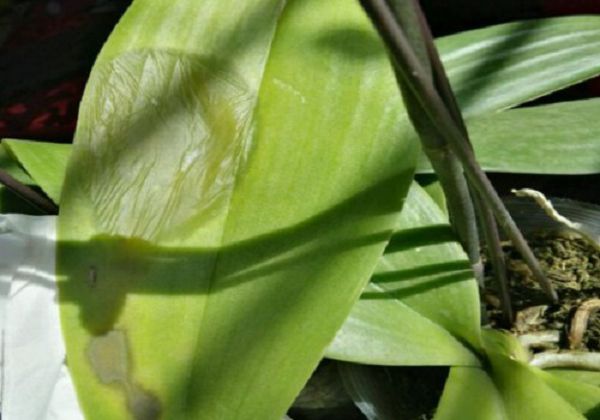
Phalaenopsis is a very beautiful flowering plant. Grown as a potted plant, it can both decorate a home environment and be enjoyed for its beauty. It also comes in a wide variety of cultivars with rich flower colors. If we can plant several cultivars together, they will surely present a colorful scene when they bloom.
However, to make potted Phalaenopsis show itself in its most beautiful form, in addition to providing it with a good growing environment, daily care and management must be done well. If management is inadequate, it may also develop various adverse symptoms, which not only affect growth and flowering but also reduce its ornamental value.
Leaf rot is an adverse symptom that many flowering plants are relatively prone to, generally caused by a poor care environment or improper management. If the rotten leaves are not cut off in time, the decaying leaves will breed many harmful bacteria, which then infect healthy leaves and may ultimately lead to the death of the plant.
When leaf rot occurs in Phalaenopsis, it is either caused by excessively high ambient temperature, poor ventilation and excessive humidity, or by the plant being affected by soft rot disease. For the former, generally by cutting off the rotten leaves, improving the care environment, and properly applying a fungicide, we can often improve the situation.
But if it is because the plant has been infected with soft rot disease, it is usually more troublesome to deal with. In addition to cutting off the rotten leaves, it is also necessary to appropriately control water and humidity, improve ventilation conditions, and cool down the environment. During the disease period, spray the plant once a month with a mancozeb solution.
The cut diseased leaves and diseased branches should not be left in the pot; they should be promptly collected and destroyed, otherwise they can easily leave harmful bacteria in the pot and continue to infect and damage the plant. Generally, we only need to cut off the affected leaves and then spray with a fungicide; there is no need to cut off healthy leaves, otherwise it will affect the plant's growth.
But if the plant is affected quite severely, in addition to following the above methods, it is recommended to promptly change the pot and soil, and then repot and plant it again. Later, when watering is needed, also add a little fungicide such as mancozeb or Bordeaux mixture to the water to thoroughly clear out these harmful bacteria.
But when Phalaenopsis is infected with soft rot disease, it is often also caused by an unsuitable growing environment. That is, it is caused by a combination of factors such as high environmental humidity, poor ventilation, weak light, and high temperature. Therefore, we should also strengthen management in ordinary times, provide the plant with a care environment with bright light, smooth ventilation, and suitable temperature and humidity, and take preventive measures to avoid infection by disease.