Is the Phalaenopsis orchid poisonous when kept indoors?
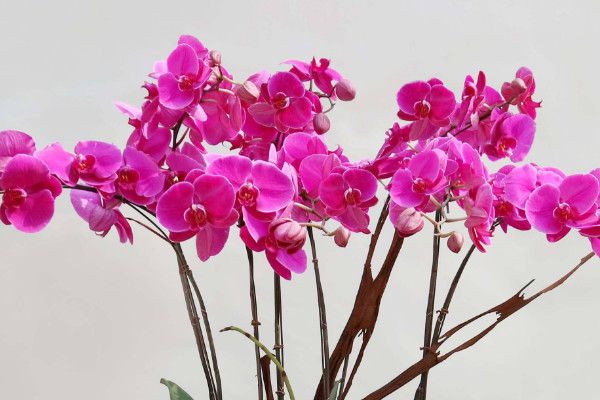
Keeping a Phalaenopsis orchid indoors is non-toxic. The Phalaenopsis orchid itself is non-toxic and is a fairly common ornamental plant for home cultivation. It belongs to the genus Phalaenopsis in the orchid family (Orchidaceae) and has more than 100 varieties. It likes an environment with fairly ample scattered light, is not tolerant of waterlogging, its soil should be kept slightly dry, it is not tolerant of low temperatures, and the ambient temperature should not be too low.
Is an indoor Phalaenopsis orchid poisonous?
1. Non-toxic
An indoor Phalaenopsis orchid is non-toxic; this plant does not contain any toxic substances harmful to humans. The Phalaenopsis orchid belongs to the genus Phalaenopsis in the orchid family (Orchidaceae) and is a very common ornamental plant for home cultivation. When in bloom, its flowers are bright and delicate, attracting attention, and growing it indoors allows for better regulation of the plant's condition.
2. Watering control
When growing a Phalaenopsis orchid indoors, watering control is a fairly important part. This plant is not tolerant of waterlogging, yet it likes a fairly humid environment. Therefore, when watering it, be careful to keep the soil only slightly moist; do not overwater and do not let water accumulate. When the climate is dry, you can use a spray to maintain humidity.
3. Light control
The Phalaenopsis orchid needs fairly ample light to grow healthily and vigorously. Therefore, it is best to place the plant somewhere like a windowsill so that it receives sufficient light for photosynthesis. However, in summer, when the sun's intensity is too high and the light intensity is too great, shade it promptly to avoid exposure to the scorching sun.
4. Temperature control
The Phalaenopsis orchid is very intolerant of severe cold and low temperatures. When caring for this plant, make sure the surrounding ambient temperature is not lower than 15°C, and it is best kept between 20-30°C. In winter, take good measures to keep the plant warm and protect it from the cold; otherwise, if the plant remains in an environment below 15°C for a long time, it will suffer cold damage.