Potted Fig Spring Management Methods and Care Points
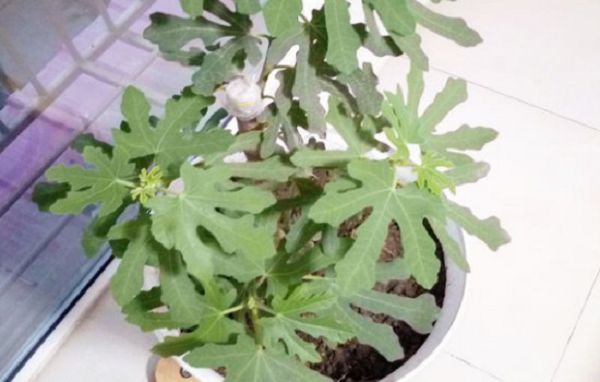
After spring arrives, the figs in many growers' homes gradually begin to resume rapid growth. But the spring season is crucial for the care and management of figs, because it not only determines whether the plant can quickly resume growth, but also has a major impact on flowering and fruiting later on.
Spring is the season when all things revive and gradually begin to resume rapid growth; then those that should bloom will bloom, and those that should bear fruit will bear fruit. Whether the spring care and management work is done well will have an important impact on the flowering and fruiting of potted figs. In order to help potted figs quickly resume growth and provide good protection for later flowering and fruiting, in spring we mainly do a good job in the following aspects of management:
1. Space Guarantee
The space guarantee we are talking about here is not only that the space inside the pot must be sufficient, but also that the placement position of the pot must be ensured to have ample light and smooth ventilation. If the pot was not changed last year, then you can take this opportunity to repot the potted fig and change the soil, which is more conducive to its later growth.
First, you need to use a sufficiently large flower pot to grow figs, because figs have well-developed root systems and grow quickly, so too little space in the pot will not do. Generally, choose a flower pot of 3 gallons or more, and usually the bigger the better. Second, you also need to remove obstructions from the placement position of the pot to avoid affecting ventilation and light transmission, creating a good living environment for the fig.
2. Humidity Guarantee
Spring is the season when figs grow branches and leaves, and the plant has a relatively large demand for water, so you must usually keep the potting soil at suitable humidity, and absolutely avoid drought. If sufficient water can be guaranteed, it will certainly have a very good promoting effect on the rapid growth of the plant, especially with great significance for later flowering and fruiting.
Moreover, as spring transitions into summer, the temperature will gradually rise, and light intensity will gradually increase. The transpiration of water from the fig's broad and numerous leaves will also become stronger and stronger, and combined with rapid plant growth, more and more water will naturally be consumed. Therefore, we also need to increase the frequency of watering, and it is advisable to keep the potting soil moist often. If there is a lack of water, the fig's tender green leaves will begin to turn yellow, and if it happens during the flowering and fruiting period, there will also be flower drop and fruit drop.
3. Light Guarantee
After all, the fig is a sun-loving and warmth-loving plant. Whether for rapid growth or flowering and fruiting, it needs to be provided with sufficient light. Therefore, potted figs should usually be placed in a place with ample light for care. Especially during the spring growing season, place the pot wherever the light conditions are good. In summer, appropriate shading and cooling can be provided.
4. Nutrient Guarantee
When the spring temperature rises back above 15°C, the plant has basically entered a state of rapid growth, so at this time we can fertilize the potted fig. For fertilization, you can keep applying a compound fertilizer to the potted fig once every half a month or once a month. After all, compound fertilizer has relatively comprehensive and balanced nutrient elements, which can meet the needs of the plant's rapid growth and lay a foundation for later flowering and fruiting.
5. Pruning Guarantee
Pruning the potted fig in spring can not only save nutrients and allow nutrients to be supplied to the plant in a more concentrated way, but also control the plant shape and create conditions for building a beautiful plant shape later. In particular, the saved nutrients can be supplied in a concentrated way to the retained robust branches, which plays an important role in increasing the fruiting rate and increasing fruit yield later.
But if the tree vigor is too weak and the branches themselves are few, then usually there is no need to prune. If it is a single stem, top pruning can be taken to promote branching. And if there are relatively many branches on the lower part of the plant, they should be cut off in time, because the lower branches have basically become blind branches; keeping them will not produce fruit, and they will waste nutrients in vain and also affect the ornamental value of the potted plant.