How to Grow Hyacinths in Water? A Detailed Guide to Care Methods
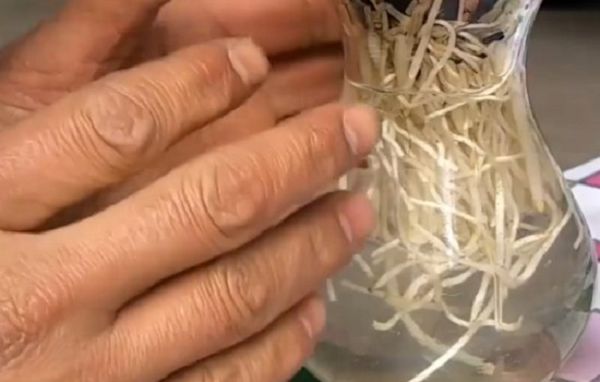
Hyacinths bloom very beautifully, and many gardening enthusiasts grow them as potted plants at home, as they are not only ornamental but also fill the space with a romantic atmosphere. Besides the traditional method of growing them in soil, hyacinths can actually also be grown in water. I believe everyone is already fairly familiar with how to grow hyacinths in soil, so what about growing them in water?
First, we need to understand the environmental temperature requirements for hydroponic hyacinths. Generally, we can place them in an environment with a temperature between 15°C-21°C for care. But in winter, it is recommended to keep the environmental temperature between 2°C-10°C, because if the temperature drops any lower, the plant may suffer frost damage.
But too high an environmental temperature is also not good. If the temperature is too high, hyacinths cannot differentiate flower buds, and are also prone to "blind sprouting" (where the flower stalk fails to elongate properly), thereby reducing the ornamental value of the hydroponic hyacinth plant. So for all hydroponic hyacinths, providing a suitable environmental temperature is very important - the temperature should be neither too low nor too high.
Next, we need to discuss the light requirements for hydroponic hyacinths. Ensuring sufficient light in the care environment is also very important for the growth of hyacinths, especially when light intensity is low, they should receive more light, with at least 2-3 hours of light exposure per day.
Generally, when hyacinths need light, promptly place them outdoors to fully receive sunlight, then put them back indoors for care. But the light duration should not be too long either, especially when light intensity is too high, controlling light exposure should be considered even more. Particularly in summer, exposing the plant to the scorching sun will cause the water temperature to rise sharply, which can easily lead to yellowing leaves.
Additionally, hydroponic hyacinths naturally cannot do without water, and they have certain requirements for water quality - at least the water needs to be clear and transparent. This is not only better for the plant's growth, but also convenient for us to observe the state of its root system. Water also needs to be changed regularly, and it is generally recommended to change the clean water once a week. If nutrient solution has been added to the water, then changing the water once every half month is fine, allowing the plant to fully absorb the nutrients.
At the same time, when changing the water for hyacinths, we also need to pay attention that the water level should not be too high, to avoid submerging all of the plant's roots below the water surface. Generally, the water level should be about 1-2 cm below the hyacinth's basal plate. This way, the hyacinth's roots can better breathe from the air, since the oxygen content in water is very limited. Completely submerging the plant's basal plate in water tends to inhibit its breathing.
Of course, the nutrients in water are also very limited, and for hyacinths to grow and bloom, they need sufficient nutrients as support. Therefore, we need to fertilize them appropriately, generally supplementing with nutrient solution once every 7-10 days, but we need to control the dosage - just 1-2 drops at a time. And it is generally better to add nutrient solution right after changing the water, as this allows the nutrient solution to remain in the water longer, giving the plant more ample time to absorb it.