What are the cultivation methods for the African daisy?
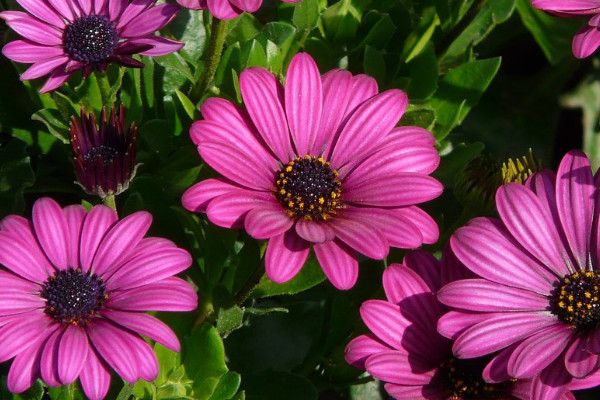
Cultivating the African daisy requires loose, breathable, well-drained, fertile soil. It likes to grow in places with plenty of sunlight, so in daily care it should be placed in a spot with good light. It is not tolerant of cold or heat, so temperature control measures should be taken in summer and winter. Watering should be done according to the dryness and moisture of the soil, and during its growing season it should be given frequent light fertilizer applications.
Methods for cultivating the African daisy
1. Suitable soil
Cultivating the African daisy requires loose, breathable, well-drained, fertile soil. So we can use a mix of peat soil, coconut coir, perlite and vermiculite. When planting, a little organic fertilizer can also be added to the soil as a base fertilizer, which is even more beneficial to the growth of the African daisy.
2. Light and temperature environment
It likes to grow in places with plenty of sunlight, so in daily care it should be placed in a spot with good light, but in summer it should be appropriately shaded. It prefers warmth, with the most suitable temperature between 18°C~26°C. It is not tolerant of cold or heat, so temperature control measures should be taken in summer and winter to avoid letting it grow in an environment that is too hot or too cold.
3. Water and fertilizer application
When watering the African daisy, it should be done according to the dryness and moisture of the soil, and it is best to keep the potting soil slightly moist. When the weather is relatively dry, water should also be sprinkled around the plant, which can increase air humidity. During its growing season, light fertilizer should be applied frequently, and during the flowering period a phosphorus-potassium fertilizer top dressing is also needed, so that it will produce more flowers.