What are the main reasons wisteria does not bloom
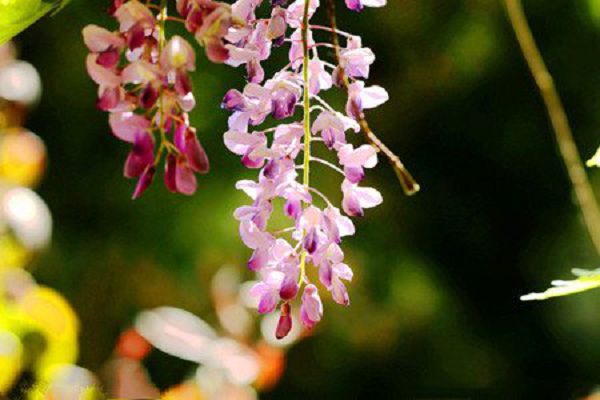
Reasons for not blooming
Seedling-grown plants
The reason wisteria does not bloom is that a seedling-grown plant was planted, that is, a plant grown from seed. This kind of plant usually needs 7 years of care before it blooms, while a normal grafted plant blooms within 3 years.
Insufficient light
Whether grown in the ground or in a pot, the plant must receive at least 6 hours of light. During care, this is affected by factors such as different planting or placement positions and weather conditions. If conditions allow, light can be supplemented artificially.
Improper pruning
Beginners at growing flowers do not know how to prune, and only cut off the vines that grow too fast, but those are actually the reproductive branches. So during pruning, if you do not understand it, do not cut; even if you are going to prune, first cut off the dead branches and withered leaves, then seek help from a professional.
Not repotting and changing the soil for a long time
The soil contains a large amount of trace elements, which are necessary conditions for root growth. When you have not repotted and changed the soil for a long time, the elements in the soil are exhausted, the plant lacks the accumulation of nutrients, and it is very difficult for it to bloom.
Variety and other objective factors
There are many varieties of wisteria. In the same care environment, some bloom less and some bloom later! These are uncontrollable factors. How it blooms is all related to your original choice.
The rest comes down to personal reasons. Care depends on luck, and whether the timing of each watering and fertilizing is correct will affect blooming.
Solutions for not blooming
Choose excellent varieties that bloom
Sometimes it is not your fault that it does not bloom; the plant itself blooms late or even does not bloom at all. So choose varieties that bloom more easily for cultivation.
Strengthen management and supplement nutrition
For plants that do not bloom due to lack of nutrients caused by improper care, management should be strengthened, with topdressing 2~3 times during the growing season to ensure the supply of nutrients. Loosen the soil and change the pot in a timely manner to ensure sufficient trace elements in the soil.
Reasonable pruning
Pruning should be based on the plant's own growth vigor. If it grows too fast, promptly cut off weak branches and dead branches. When the plant grows too slowly, do not prune even if the timing seems suitable, so as not to affect blooming.