Reasons and solutions for the Peace Lily dropping new leaves
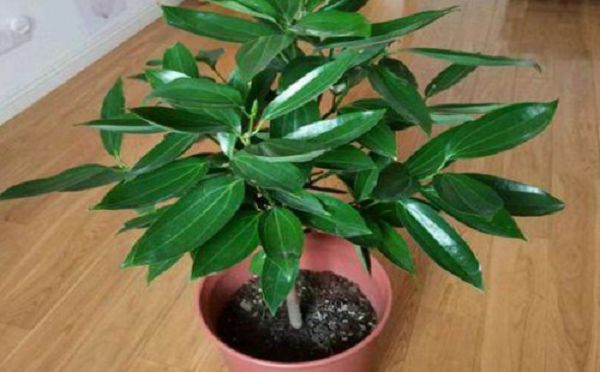
Growing a Peace Lily as a houseplant has many benefits and is very practical: it can be enjoyed for its looks or used to decorate the home, it purifies indoor air, and for those who care about feng shui it is also believed to bring good fortune and health and to improve one's luck. However, a potted Peace Lily at home has fairly high demands on its growing environment. Besides guaranteeing the right temperature and humidity, ventilation and light are also indispensable. When the plant's growing environment is disrupted, it often reacts by dropping leaves, especially new leaves, which harms both its appearance and its growth.
There are many triggers for leaf drop in potted green plants, so pinpointing the exact cause is fairly complex, and a large-scale loss of new leaves in particular deserves attention. When a potted Peace Lily drops new leaves, it is inevitably quite annoying; surely no one wants to see the potted Peace Lily in their home shedding leaves all over the floor. A potted Peace Lily dropping leaves in large numbers is mainly caused by the following factors:
1. Unsuitable light
The Peace Lily likes light but also has some tolerance for shade. Whether the light is too strong or there is a long-term lack of light, leaf drop often occurs, especially of new leaves. It is mostly caused by too long exposure to strong light, particularly baking in the blazing sun of summer. Although the Peace Lily also grows quite vigorously in summer, because the light is too strong and the weather too hot, water evaporates severely. New leaves are themselves in a period of vigorous growth and need to consume large amounts of nutrients and water, and when dehydration is severe they not only drop easily but are also easily scorched. Therefore, shade measures should be taken promptly when the light is too strong in summer.
2. Poor humidity
The humidity discussed here is not only the moisture of the potting soil but also the relative humidity of the air. The Peace Lily itself prefers a moist growing environment, but it is also intolerant of waterlogging, so both excessively high humidity and an overly dry environment can cause the plant to drop leaves. This is even more true of new leaves, because new leaves usually need more ample water to sustain their growth, while old leaves tend to be more drought-tolerant than new leaves. So the leaves that drop first are mostly the new ones, and even if the new leaves do not drop quickly, they will show slow growth. Therefore, besides watering scientifically, we should also spray the plant more often to raise air humidity, especially in dry seasons.
3. Lack of nutrients
As a tree species suited to indoor foliage display, the Peace Lily relies on its leaves for its ornamental value, and the leaves can only maintain a good ornamental effect when their metabolism and the replacement of old leaves by new ones are continuously promoted during growth. Compared with many tree species, although the Peace Lily does not like heavy fertiliser, it is still a fairly fertiliser-loving species. After all, it is a species suited to foliage display and needs to absorb ample nutrients to maintain the growth of its branches and leaves. Once the plant lacks the nutrients needed for growth, not only is it difficult for new leaves to sprout, but even if new leaves do emerge, they drop easily. Therefore, nutrients generally need to be replenished promptly during the growing season, applying a compound fertiliser frequently in light doses, and mostly top-dressing with some phosphorus and potassium fertiliser after the weather turns cool in autumn.
4. Pest and disease attack
Pests and diseases are one of the most common causes of new and old leaves dropping from many potted plants, and the Peace Lily is no exception. If the plant is attacked by pests and diseases such as scale insects, red spider mites and leaf blight, it often shows massive leaf drop, and the harm is particularly severe, so we need to carry out timely prevention and control. We can spray and control them with specialised chemicals, while also improving ventilation and managing temperature, water and fertiliser well to ensure the Peace Lily's growing environment is good enough, which is how the chance of pest and disease attack can be reduced.