Detailed Explanation of the Leaf Cutting Method and Steps for Peperomia
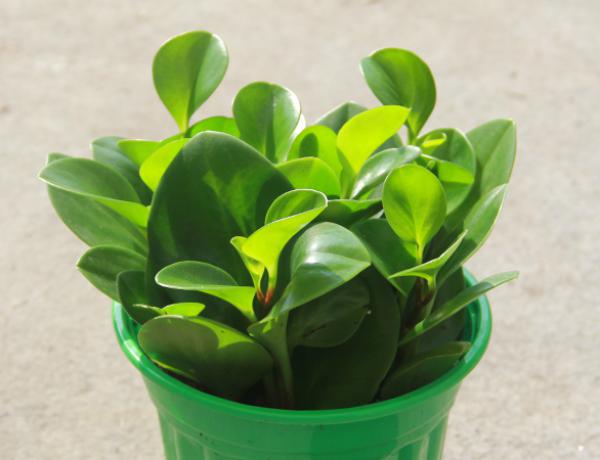
When taking cuttings of Peperomia, it is best to choose plump, disease-free leaves. The cutting soil can be mixed from leaf mold, garden soil, river sand and perlite, and then the soil should be watered once. Before cutting, you can apply some rooting powder to the base of the leaf, which can speed up the rooting of the leaf and benefit its growth.
The Method of Cutting Peperomia Leaves
1. People usually propagate Peperomia by leaf cuttings, so what is the leaf cutting method for Peperomia? When taking cuttings, it is best to select leaves from a healthy plant, and the chosen leaves should preferably be plump and disease-free. After selecting the leaves, it is best to soak them in carbendazim for a period of time, which has a disinfecting effect.
2. After that, the leaves need to be placed in a cool, ventilated indoor spot to dry. Peperomia likes to grow in loose, fertile, breathable, well-drained sandy loam soil. For the cutting, the soil can be mixed from leaf mold, garden soil, river sand and perlite. Before cutting, the soil needs to be watered once, and this watering should soak it through.
3. To make the leaves root earlier, you can apply an appropriate amount of rooting powder to the base of the leaf before cutting, and then insert the leaf directly into the soil. When inserting, do not push it in too deep; inserting the leaf to one third of its depth in the soil is best. After cutting is completed, it is best to place the plant in a semi-shady, ventilated indoor spot for care.
4. Peperomia is a moisture-loving plant, so during care the plant should be watered appropriately. Each time you water, just moisten the soil and try not to leave standing water, to prevent water accumulation in the soil from affecting the normal growth of the leaves. Peperomia grows quickly; with proper care, the stems can take root in one month, and at this point they can appropriately receive light.