Is it common for a Clivia to bloom with two flower stalks?
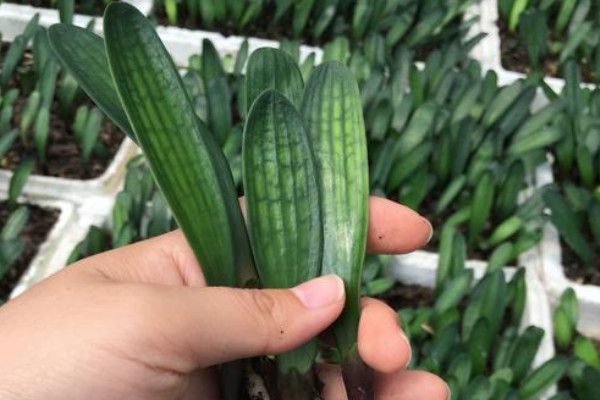
It is not common for a Clivia to bloom with two flower stalks. A Clivia normally produces only one flower stalk, bearing one flower. If two flower stalks appear, it is generally called a twin-stalk Clivia, which is a relatively rare phenomenon, sometimes not occurring even once in 10 years. It carries the meaning of good things coming in pairs and is a sign of good fortune and good luck.
Is it common or uncommon for a Clivia to bloom with two flower stalks?
1. Not common
It is not common for a Clivia to produce two flower stalks, and it can be said to be very rare. This plant normally sends up only one flower stalk from the center of the leaves; even if the flower is especially vivid and large, there is still only one flower stalk. Two flower stalks are a very rare phenomenon, generally very hard to see even once.
2. Symbolism
If a plant like the Clivia, which normally bears only one flower stalk, produces two, it is generally called a twin-stalk Clivia, a very rare phenomenon. Among ordinary people it is believed to represent good things coming in pairs, meaning that the grower will soon resolve the troublesome matters at hand and welcome another happy event, carrying a fine symbolic meaning.
3. Topdressing
After the Clivia produces two flower stalks, we should topdress it in good time to help the plant replenish some necessary nutrients, because two flower stalks intensify the plant's nutrient consumption. Without an adequate nutrient supply, the flowers will wither, so we should add some phosphorus and potassium fertilizer and decomposed fertilizer to help the flowers grow.
4. Care
After the flowers open, the plant's daily light exposure should be adjusted slightly: extend the daily light duration but reduce the light intensity, so the plant receives softer light. When watering, pay attention to watering when the soil is dry and letting it dry out between waterings; do not leave standing water. Be sure to open the windows for ventilation so the air circulates and pests and diseases are avoided.