How to grow potted purple bamboo? Detailed explanation of cultivation methods and precautions
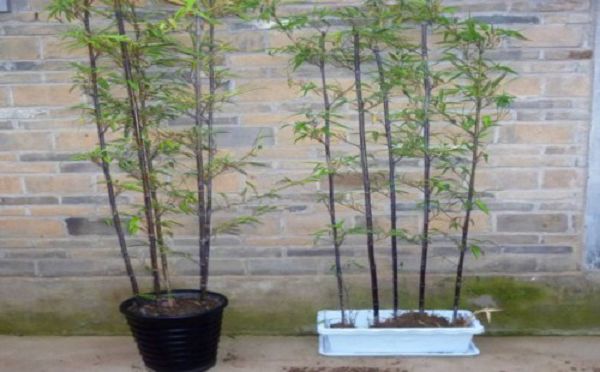
Purple bamboo is a bamboo variety with extremely high ornamental value, and it is quite eye-catching because its culms usually appear purple. Moreover, its robust and upright posture gives people a sense of striving upward, and it is also very likable. When growing it as a potted plant, in addition to doing a good job of dwarfing it to improve its ornamental value, the related care and management work also needs to be done well. So, how do you grow potted purple bamboo?
Because purple bamboo has the characteristics of liking a warm and humid growing environment, being light-loving and shade-tolerant, cold-tolerant, and highly adaptable to the environment, we need to reasonably choose care and management methods for scientific management according to these characteristics. Only in this way can potted purple bamboo be grown well and allowed to shine.
1. Potting soil
Because purple bamboo is highly adaptable to the environment, the potting soil is also relatively easy to prepare. The editor has listed several soil mix options for reference:
1. Prepare garden soil and furnace slag in a 3:1 ratio.
2. Use garden soil, medium-coarse river sand, and sawdust powder in a 4:1:2 ratio.
3. Use peat soil, perlite, and ceramsite in a 2:2:1 ratio.
Of course, there are many other soil mix options that can also be used for growing purple bamboo in pots, and they will not be listed one by one here.
2. Light
Although purple bamboo is relatively shade-tolerant, it also quite likes light, so during usual care and management it is recommended to place it in a place with sufficient light, but in summer avoid exposure to fierce sunlight and take appropriate shading measures. Since it is only used as a potted ornamental plant, we can usually place it indoors near a windowsill or directly on a balcony for care and management.
3. Water
After the work of potting and transplanting purple bamboo seedlings is finished, we should water it thoroughly once in a timely manner. Because purple bamboo relatively likes a warm and humid growing environment, watering should be timely, and it must not be kept dry for a long time, otherwise the leaves of purple bamboo are prone to various growth problems, thus affecting its ornamental value. At the same time, we also need to regulate air humidity well so that it is suitable for the plant's growth, because the plant also has certain requirements for air humidity.
4. Pests and diseases
Potted purple bamboo has relatively few pests and diseases, but they do occasionally occur. It is usually susceptible to damage from pests and diseases such as aphids and sooty mold. At this time, we should promptly spray pesticides for prevention and control, but at the same time it is recommended to prune off the infected branches and leaves to avoid infecting other healthy branches and leaves, and also to save some nutrients.