Reasons for Leaf Drop in Potted Lemon Trees and How to Fix It
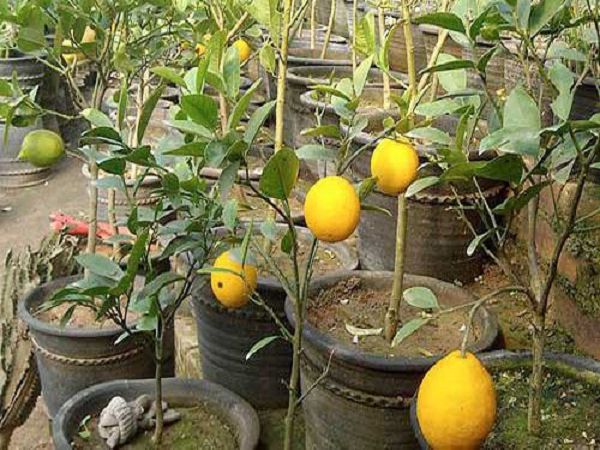
Growing some plants at home not only beautifies the environment but also brings a very pleasant mood, and watering the flowers and plants every day is a kind of enjoyment. Nowadays many people grow small lemon trees in pots at home, but lemon trees sometimes run into problems, such as leaf drop. So do you know why potted lemon tree leaves fall off? Below, the editor introduces the reasons for lemon tree leaf drop and the solutions:
1. A newly bought potted plant going into a near-death state
Experienced flower growers know that many newly planted flowers go through a near-death state once, just to varying degrees. If the leaves of the lemon tree you bought fall off as soon as your hand touches them, there is no need to worry, because this is the plant's survival instinct, just a false death, so do not worry. Of course, if the leaves dry up and turn scorched yellow without falling off, then things are probably really not good.
2. Overwatering and soil alkalinization
The plant has been overwatered, and the soil may be somewhat compacted and not breathable. Water less appropriately and loosen the soil. If you are in the north, the soil may be highly alkaline, so you can appropriately water with some ferrous sulfate to increase acidity (you can ask a flower shop for the specific ratio to water). Pay attention to changing the soil, be careful not to let water accumulate when watering, water only after the potting soil has dried out completely, and spray more water on the leaves and trunk to stimulate growth.
3. Root rot causing leaf drop
Root rot is often caused by too much water accumulating in the pot or by applying fertilizer that is too concentrated. Remember to remove the flower buds, cut away the rotten roots, and thereafter pay attention to drainage. If too much of the root system has rotted, the plant very likely cannot be saved.
4. Red spider mite damage
Check whether the lemon tree is being harmed by red spider mites. If so, remember to spray pesticide. Before spraying, clear away all the fallen yellow leaves from the lemon tree's pot, loosen the soil frequently, and place the potted lemon tree in a spot with ample light.
[Warm reminder] To prevent leaf drop in potted lemon trees from affecting fruiting, in daily care work, by no means water too much one time and too little the next, and be sure to keep fertilizer under control.
Tips for caring for potted lemon trees:
1. After the lemon blooms, besides applying a light fertilizer once a week, you must also thin the flowers and fruits. Before the flowers open, first thin out some of the flower buds; after the flowers fade and the fruit has set, to reduce nutrient consumption, thin out some young fruits in unsuitable positions.
2. During the fruit's growth period, if there is sufficient fertilizer and water and the plant's nutritional condition is good, some branches will sprout new shoots, and the growth of these new shoots will inevitably divert some nutrients and affect the fruit's growth. To protect the fruit, promptly remove the new shoots that grow out.
3. When the fruit turns yellow and ripe, stop fertilizing and reduce watering, keeping the soil moist and slightly on the dry side. If you continue to give too much fertilizer and water, the fruit will ripen prematurely and drop early, shortening the viewing time.
4. Lemons like fertilizer, so usually apply more light fertilizer. Apply a decomposed liquid fertilizer once before the plant sprouts, and afterward apply a nitrogen-based liquid fertilizer once every 7-10 days to encourage more branches and leaves and more spring shoots.
5. After each pinching back, fertilize promptly to encourage the branches to mature early. During the lemon's growth period, you can sprinkle some cake fertilizer on the surface of the pot so that each watering carries some fertilizer into the soil and enhances fertility. After autumn arrives, reduce fertilization to avoid excessive plant nutrition and the promotion of autumn shoots, which compete with the fruit for nutrients and cause fruit drop.
6. Because potted lemons have little potting soil, the nutrient supply is very limited. After many years, the soil's fertility becomes deficient, and the lemon will weaken year by year, blooming little and bearing little fruit. To keep the lemon blooming and fruiting year after year, you must repot it.
7. The most suitable time for repotting is half a month before the lemon sprouts. After repotting, place it in a ventilated, semi-shaded spot, and after a week put it back in its original place for routine care.