How to make potting soil loose, fertile, and airy
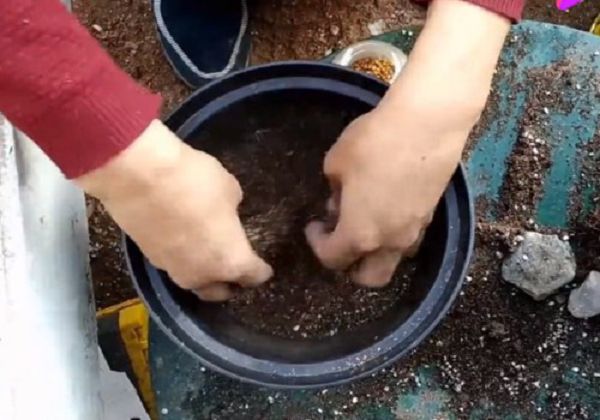
Everyone knows that the quality of potting soil has a considerable impact on the growth of flowering plants. It can not only affect their growth and flowering, but may even affect their survival. Anyone who grows flowering plants in pots hopes to make them bloom profusely and grow lush foliage, and potting soil is precisely the most basic guarantee for this. For the vast majority of flowering plants, the potting soil is often required to be loose, fertile, and airy, so how is this done?
To keep potting soil always loose, fertile, and airy, we generally need to strictly select substrate materials when mixing soil. But a single growing medium generally cannot simultaneously satisfy the three requirements of being loose, fertile, and airy, so to meet these three standards, we usually need to achieve this by preparing a mixed soil. For example, garden soil, perlite, vermiculite, pine needle soil, sawdust, leaf mold, peat soil, coal cinders, river sand, and so on are all commonly used raw materials for mixing soil.
Moreover, if these raw materials are mixed in different proportions, the results when used will also differ, because the degrees of looseness, fertility, and airiness will be different. And with different lengths of use time and different water and fertilizer management, the results of using potting soil mixed in different ratios will also differ. Therefore, when preparing potting soil for flowering plants, we should consider the proportion of each raw material as appropriate according to the different growth habits of the plants.
But even so, fixed potting soil is not suitable for growing flowering plants over the long term, because the longer flowering plants are grown in pots, the nutrients and soil structure in the potting soil will gradually change. It can be said that the longer the potting soil has been used for growing plants, the worse its looseness, fertility, and airiness often become. This is because the plants continuously consume the nutrients in the potting soil during growth, and frequent watering and fertilizing will also gradually change the soil quality.
Therefore, although we may have prepared potting soil that satisfies looseness, fertility, and airiness in advance, after growing flowering plants in pots for a long time, we still need to promptly take corresponding measures to solve the problems of soil compaction and too few nutrients, so that it can regain its functions and characteristics of being loose, fertile, and airy. A relatively simple method is to loosen the soil regularly, but the effect this method can achieve is rather limited, and it is also relatively easy to damage the roots. A better method is to repot and change the soil regularly, and this also allows you to prune the roots at the same time, which is very beneficial for the plant's later growth.
If it is not yet time to repot and change the soil, it is generally not recommended to do so, because frequent repotting and soil changing also causes considerable harm to the plant, and may even increase the risk of failure in recovering and establishing after transplanting, leading to plant death. So, to keep the potting soil loose, fertile, and airy, we can bury some organic matter such as peanut shells and soybean cake residue in the pot, and the effect is very good.
Of course, we also need to pay attention during our usual care and management. Since we have prepared relatively high-quality soil that is loose, fertile, and airy in advance, in order to avoid or delay the potting soil becoming compacted and affecting water and fertilizer penetration and affecting the looseness and airiness of the soil, we should be cautious in our daily management, especially in the application of water and fertilizer. Generally, there are also certain requirements for water quality and fertilizer. Try not to use hard water and chemical fertilizers to grow flowers, otherwise it is easy to accelerate the compaction of the potting soil, thereby changing the soil quality, reducing looseness, fertility, and permeability, and then affecting the normal growth of the plant.