Why doesn't an orchid bloom after planting?
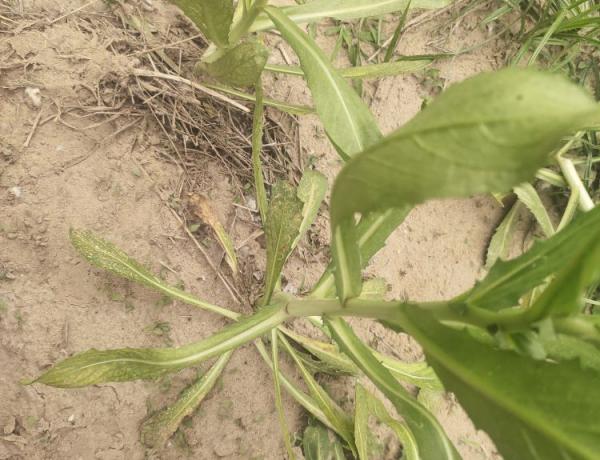
There are roughly the following reasons why an orchid doesn't bloom:
1. Seedling orchids (seed-grown orchids) and tissue-cultured orchids may not necessarily bloom even after many years of cultivation. Just like other plants, for example, fruit trees need to reach a certain age before they can bloom and bear fruit, and orchids also need to reach a certain age before they can bloom and set seed.
2. The species differences among various orchid types are different, and the different climate conditions in different regions often make it difficult for orchids to bloom. Take Cymbidium goeringii for example: in some regions it is relatively difficult to bloom, or rather, fewer of them are able to bloom.
3. The physiological growth of the orchid is disrupted for various reasons, and new leaf buds suddenly emerge during the flower bud formation period. In this case, the orchid plant no longer has enough nutrients to maintain the normal differentiation of the flower buds, which causes the flower buds to stop growing and fail to bloom.
4. Improper cultivation methods may also cause the orchid not to bloom. Here there are mainly the following situations: (1) The orchid's growing medium contains too much nitrogen fertilizer and too little phosphorus and potassium fertilizer, which leads to excessive vegetative growth and inhibited reproductive growth.
(2) Watering too much during the flower bud differentiation period and keeping the growing medium too wet will likewise lead to vigorous vegetative growth and inhibit reproductive growth. (3) Insufficient light is also one of the reasons why orchids don't bloom. Although orchids are shade-loving plants, they still need a certain amount of sunlight to maintain normal physiological activity.