Control Methods for Gray Mold on Cymbidium Orchid Petals
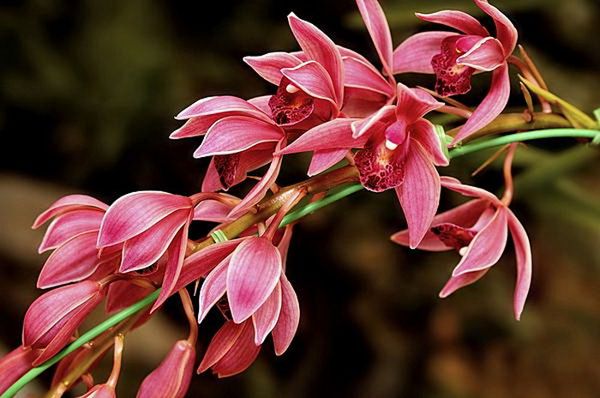
Cymbidium orchids have large flowers with unusual and varied shapes and brilliant colors; the flowering period is long, reaching about 3 months; the growing medium is not soil but bark, moss and the like, and pests and diseases rarely occur, which keeps the home clean and tidy. For these reasons, they have become a popular potted flower for the Lunar New Year in recent years.
The pathogenic fungus harmful to Cymbidium orchid petals is Botrytis cinerea. The symptoms are small round brown spots appearing on the petals and sepals. It is relatively common in Phalaenopsis, Cattleya and Oncidium orchids, and is mainly caused by high humidity and poor ventilation. When temperatures are low in winter and spring, doors and windows are often kept tightly closed or insulation measures are taken to prevent outside cold air from invading the greenhouse and harming the orchids, which causes the relative humidity of the air in the greenhouse to become very high (reaching above 90%). This is exactly a good opportunity for this disease to occur and spread. This fungal disease is caused by a widespread pathogen with as many as several hundred host species, and can infect flowers, ornamental plants, vegetables and fruit trees. From February to May each year, it commonly occurs in cultivation greenhouses. If Phalaenopsis flowers are infected, not only is their ornamental value affected and their commercial value reduced, but they may even be impossible to sell, causing great losses. The control methods are as follows:
(1) Pay attention to ventilation and air permeability to reduce environmental humidity.
(2) Before the first flower opens, begin spraying 50% prometryn wettable powder at a 2000-fold dilution, then spray once every 2-4 weeks thereafter.
(3) During the flowering period, immediately remove any flowers found to be diseased and burn or bury them in a centralized manner.
(4) Other ornamental plants and flowers inside and outside the greenhouse also need to be sprayed at the same time for protection.