Can freesia bulbs be left unexcavated?
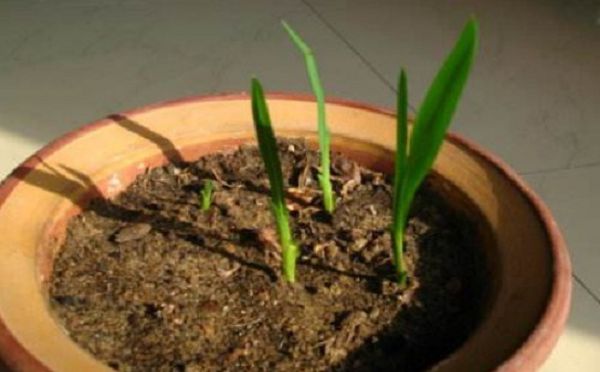
Freesia, when grown as a potted plant, has extremely high ornamental value, and generally after flowering the spent flowers need to be removed promptly and the flower stems cut off to save nutrients for the bulbs, and it is also necessary to apply appropriate topdressing after flowering, also for the purpose of nourishing the bulbs well. Then as summer approaches, we need to excavate the bulbs promptly for storage, and replant them after autumn.
Because after entering summer, freesia will gradually enter a dormant state, and after the earlier bulb-nourishing period, it generally needs to be excavated for storage as a backup. If we do not excavate the freesia bulbs, then we need to create a suitable soil environment for their storage, to prevent them from rotting, so that they can sprout the following year.
Because after entering summer, as temperatures continue to rise, the freesia plant will gradually wither and die, while the bulbs remain alive but will gradually enter a dormant state. Bulbs in a dormant state can generally be planted at will. However, even if they are left in the original pot, we must strictly control watering and create a dry environment for them. In this way, when autumn comes, as temperatures gradually drop, with a little water the bulbs can re-root and sprout again.
Although freesia bulbs can be left unexcavated, if after topdressing and bulb-nourishing the ambient temperature stays between 13°C-15°C and the humidity is suitable, the bulbs will easily root and sprout. However, under outdoor conditions, such an environment generally only appears after autumn arrives, so when growing conditions are suitable, they will gradually root and sprout, then grow into potted seedlings again, until they bloom. Thus they enter the next cycle.
Many gardening friends, seeing their potted freesia's branches and leaves constantly withering after flowering as summer arrives, always assume the plant has died. They then get rather anxious, worrying whether their care and management methods were improper. In fact, this is due to not understanding freesia's growth habits well enough; as long as we learn more about this plant beforehand and then care for and manage it according to its growth habit characteristics, it is usually very easy to grow it well.
The phenomenon of branches and leaves withering and dying after the plant enters summer is actually also a normal phenomenon in its physiological and growth processes. There is no need to worry; simply manage it according to scientific care methods. And after potted freesia finishes flowering, if you are not confident that the bulbs can remain intact in the soil, it is usually recommended to excavate them after the bulb-nourishing period, then dry them and store them in a cool, ventilated place, and replant them when the temperature environment is suitable.