Wisteria Bonsai Care and Management Methods and Key Technical Points
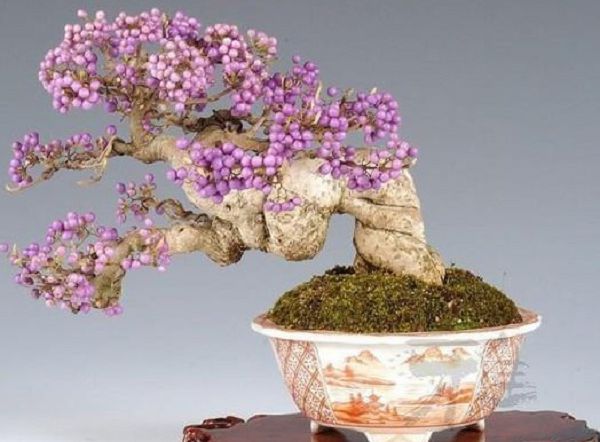
Wisteria likes plenty of sunlight, tolerates slight shade, and is cold-hardy. It can be placed in a bright spot. During the growing season, water only when the soil is dry, and water thoroughly when you do. After August, keep the potting soil on the drier side, which helps it bloom more the following year. During the spring and summer growing seasons, apply a diluted, fully decomposed liquid fertilizer rich in phosphorus once every 7-10 days to encourage flower bud formation. Reduce fertilizing during the flowering period and after August, and stop fertilizing after leaf drop.
After leaf drop in winter, carry out a thorough pruning, cutting the current year's branches back by 1/3-2/3 to give the plant a well-arranged, staggered shape. In winter, move it to a cold room or overwinter it outdoors in a wind-sheltered, sunny spot. As long as the potting soil does not freeze, it will overwinter safely.
After buds break in spring, promptly remove overly dense buds so that nutrients are concentrated and flowering is encouraged. Every 1-2 years, before buds break in spring, repot once, remove some of the old soil, and place some fully decomposed animal hoof pieces, crushed bone fragments, and other phosphorus-rich fertilizers in the bottom of the pot as a base fertilizer. The potting soil should be loose, fertile, and well-draining, slightly acidic soil.
Watering:
Wisteria uses a lot of water, but it is still better to keep it on the dry side rather than wet. If the potting soil is only ever moist and never dries out, it is not good for flowering. Watering should follow the principle of not watering until the soil is dry, and watering thoroughly when you do. Especially in August, during the flower bud differentiation period, water should be withheld appropriately. Normal watering can be resumed in September. After leaf drop in late autumn, water less.
Fertilizing:
Applying light fertilizer frequently is an important measure for making wisteria bloom profusely and grow lush foliage. During the growing season, along with watering, apply a diluted cake fertilizer once every half month until fertilizing stops in July-August. Resume fertilizing in September, but both the frequency and concentration should be appropriately reduced. Before flowering, appropriately increase the application of phosphorus and potassium fertilizers.
Pruning:
When wisteria sprouts tender buds in spring, appropriately remove dense buds. When new branches grow to more than 20 cm long, the overly long parts can be cut off. At ordinary times, pay attention to cutting off vigorous water shoots, diseased branches, and weak branches at any time. Pruning should also be carried out during the dormant period. In September, old wisteria leaves tend to age and droop, affecting the plant's appearance. The old leaves can be removed to encourage new leaves to sprout. The newly sprouted leaves are tender green and delicate, which can delay leaf drop and extend the ornamental period.