Is the Medinilla magnificent easy to grow? Mastering its care is key
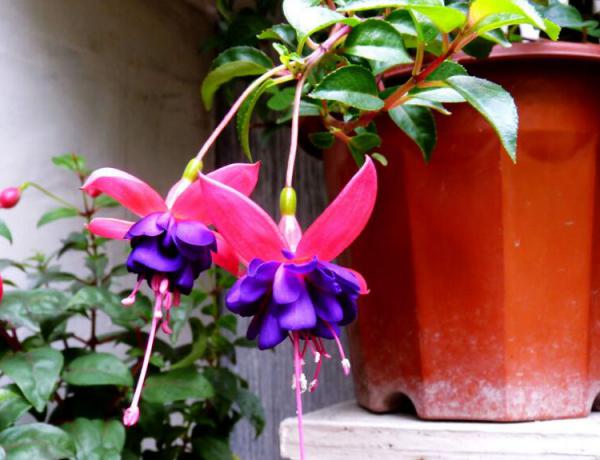
The Medinilla magnifica is fairly easy to grow in the south, but in the north you need to protect it from the cold and keep it warm. This plant likes a warm, humid climate and has high light requirements; it cannot be exposed to strong sunlight and also needs plenty of scattered light, so it must be placed in a bright spot. The soil should be loose, fertile and well-draining. It has poor cold tolerance and in winter the temperature must not drop below 12°C, otherwise it will suffer frost damage.
How do you care for the Medinilla magnifica?
1. The Medinilla magnifica likes slightly acidic soil rich in humus that is loose and well-draining. Adding coarse peat mixed with soil can help it grow better. Repotting should be done every spring, adding a suitable amount of fresh soil and keeping the soil moist.
2. The Medinilla magnifica grows best in a hot, humid, semi-shaded environment with scattered light. In summer it must not be exposed to direct sunlight and needs a shade net, while in early spring and winter it needs plenty of light. Its optimal growing temperature should be kept at 19-21°C, no lower than 16°C in winter, and humidity should always be maintained at around 80%.
3. During the growing period, the Medinilla magnifica needs the potting soil kept moist; it should neither dry out nor become waterlogged. When the temperature is below 20°C, water only after the surface of the substrate has dried. Note that when the Medinilla magnifica is in bloom, it should not be watered frequently, as this can cause flowers to drop and shorten the flowering period. In summer, besides normal watering, frequently spray water on the plant and around it to increase humidity, which can also wash dust off the leaf surfaces.
4. During the flowering period, the humidity for the Medinilla magnifica should not be too high. When the color of the flower buds changes, move it to a slightly warmer place to prevent bud drop. Its natural flowering period is from February to June, and if grown in a greenhouse it can bloom all year round. In spring, apply more nitrogen fertilizer to the Medinilla magnifica, and in summer more potassium fertilizer, adding fertilizer once a week, while during the growing period the ratio of nitrogen, phosphorus and potassium should be balanced.
5. When the Medinilla magnifica suffers from diseases such as leaf spot and stem rot, spray with a 1000-fold dilution of 70% thiophanate-methyl wettable powder. For pests such as whiteflies and scale insects, spray with a 1000-fold dilution of 50% dichlorvos emulsifiable concentrate to kill them.
The Medinilla magnifica is usually propagated by cuttings, though sowing is also possible. Cuttings are generally taken in June-July and September-October each year; cut 15-18cm softwood shoots and keep the upper 2 leaves, then insert them into a peat substrate, ensuring a temperature of around 25°C; they will root after 20-25 days and can be transplanted into pots after 40 days. The seeds of the Medinilla magnifica mature in August and can then be collected and sown, or kept until the following spring for planting, but care must be taken to store them properly.