How to Get Potted Dendrobium Through Winter? Detailed Winter Care Methods
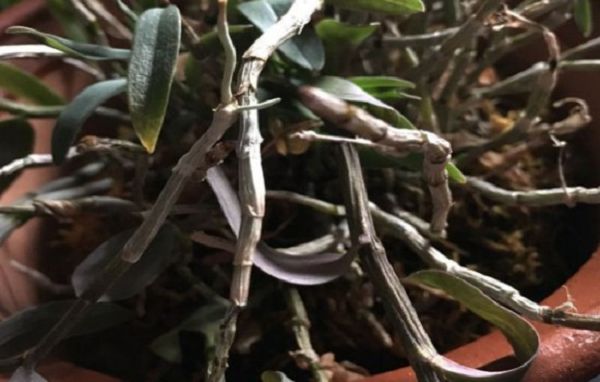
We have now entered late autumn, and many friends who love growing Dendrobium have noticed that the plants' growth rate is beginning to slow down. In fact, Dendrobium has rather poor cold tolerance, so after autumn arrives, as the weather gradually turns cooler and temperatures gradually drop, the plants begin to enter a semi-dormant state. And in winter, when temperatures are even lower, they will enter a fully dormant state.
After winter arrives, we will find that fully dormant Dendrobium usually gradually loses all its leaves, and its stems are bare, just like dead branches. Actually, this situation is not the most important thing; the key issue is whether it can safely and successfully overwinter when left outdoors, and this is the question that most growers care about.
In fact, as long as you can manage the following aspects well at this time, potted Dendrobium can usually overwinter safely and successfully. So, which aspects of care do we mainly need to manage well?
1. Adjust the Temperature
Temperature protection is the top priority for Dendrobium to get through winter safely, because apart from a very few varieties that have some degree of cold tolerance, most of its varieties are not cold-hardy. Therefore, before winter temperatures plummet, you must promptly move it indoors to a warm environment for care, to avoid it being frostbitten or frozen to death.
So in winter, potted Dendrobium cannot be placed outdoors in the open to overwinter. Since Dendrobium likes a warm, semi-shaded growing environment, after bringing it indoors in winter, place it in a spot with some scattered light, and at the same time make sure the ambient temperature stays above 5°C.
2. Ensure Humidity
Although Dendrobium likes a humid growing environment, watering in winter also needs to be appropriately controlled, waiting until the growing medium is completely dry before watering. After all, in winter it is basically in a dormant state, uses little water, and if the substrate is too wet it can easily cause root rot. Moreover, frequent watering actually tends to reduce its cold resistance, making it more susceptible to freezing.
Although watering in winter should be kept to a controlled frequency, Dendrobium after all has relatively high requirements for relative air humidity, and in winter the air is often dry and cold, rather arid. This goes against its moisture-loving growth habit, so when the air in the environment becomes dry, spray water appropriately to raise the air humidity in the growing environment.
3. Stop Fertilizing
Since Dendrobium is basically in a dormant state in winter, it not only consumes little water but also consumes very few nutrients, because it is basically in a state where it will not grow or sprout. So in winter, stop fertilizing it promptly; otherwise, after fertilizing, it cannot be absorbed by the plant, which not only wastes fertilizer but may also cause fertilizer burn.
Fertilizing Dendrobium should be done during its growing season; generally, when temperatures warm up in spring, let the dormant Dendrobium undergo vernalization for 5-7 days, then move it to a brighter, well-ventilated spot with more sufficient light for care. And when it begins to sprout in spring, we can then apply additional fertilizer, but fertilization must be kept at a controlled concentration, requiring sufficient absorption.