What to Do About Earthworms in Potted Plants? Practical Solutions to Share
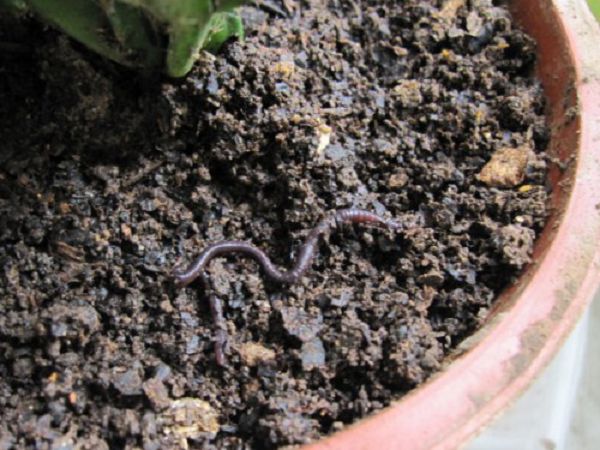
Many gardening enthusiasts ask whether earthworms in flower pots are good, and what to do if there are earthworms in flower pots. I looked into this question online as well, and it seems that quite a few gardeners lean toward saying earthworms in flower pots are a good thing. But in many cases, the answer depends on your own actual situation, especially when it comes to growing flowers. To help gardening enthusiasts understand this issue more clearly, let's first talk about the pros and cons, and then discuss what to do.
The pros and cons of having earthworms in flower pots:
1. Pros: The benefit of earthworms is that they can eat hard soil and excrete loose, nutrient-rich soil, playing a role in loosening the soil and fertilizing it, which is beneficial to the growth of flowers planted in the ground.
2. Cons: Earthworms burrowing around in the pot can damage the root system of the flowers and cause the soil to separate from the roots, which is not conducive to the roots absorbing fertilizer and water from the soil. Over time, the flowers will grow poorly, and in severe cases, leaf drop and branch dieback may occur.
The balance point between the above pros and cons lies in the size of the flower pot and the number of earthworms. If the flower pot is relatively small and there happens to be one earthworm present, the impact on the flowers is not very great; on the contrary, it can even be beneficial, increasing water permeability and fertilizer efficiency. Conversely, if there are multiple earthworms and the earthworms are somewhat large, then the earthworms' activity in the flower pot will inevitably affect the root system, causing insufficient contact between the roots and the soil, which leads to problems for the plant.
Therefore, we cannot simply consider whether earthworms in a flower pot are good or not, but should judge based on the actual situation. If there is occasionally one earthworm, then there is no impact, and it may even be beneficial. If there are too many earthworms and the flower pot is too small, then problems will arise. Moreover, earthworms do not eat mud and excrete feces; rather, they eat the humus in the soil, which somewhat means they compete with the plants for nutrients.
What should you do if there are earthworms in your flower pot?
After reading the analysis above, gardening enthusiasts probably already have a judgment on whether to remove or keep the earthworms in the flower pot. If keeping them, we won't discuss it further, just leave them alone. If you want to kill the earthworms, since earthworms lurk in the flower pot soil, spraying pesticide cannot kill them. You can use the pesticide root-drenching method to kill them. Generally, use a 2000-fold dilution of deltamethrin solution to drench the roots, or you can soak 3-5 cigarette butts in a bowl of water, and after 24 hours use it to drench the roots, which can kill the earthworms or drive them out of the pot for elimination.
Additionally, if you want to avoid earthworms in the pot, when digging garden soil, be sure to sun-dry the garden soil first, because most earthworms found in pots come from dug garden soil or soil from the mountains.
Removing earthworms from pot soil:
Earthworms in outdoor gardens are beneficial to flowers and trees planted in the open ground, but for potted flowers and trees, they hinder root growth and will bore too many holes in the pot soil, making the soil prone to drying out. If you find earthworms in a potted flower, you should take the plant out of the pot, dig out the earthworms from the soil, or pour mustard solution onto the pot soil, or pick a few ounces of fresh tender leaves from a thornless pagoda tree (Sophora japonica), crush them, squeeze out the juice, add clean water, and pour it onto the pot soil to force the earthworms out of the soil for removal.
In addition, if your potted plants at home have earthworms, you can first water thoroughly with clean water, mash 3-4 garlic cloves, mix with water, and dilute. Then pour it into the soil, and the small earthworms will come out.