Can compound fertilizer be used as flower fertilizer? You need to know the correct usage
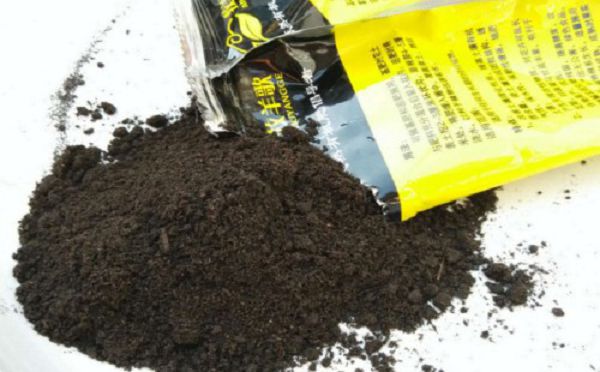
Industrially produced compound fertilizer is the result of soil testing and formula design, based on the nutrient content of the soil, while combining the plant's fertilizer requirements, the soil's fertilizer supply capacity and the effects the fertilizer can produce, and, under scientific application of organic fertilizer, making a scientific arrangement of the application amount, timing and method of nitrogen, phosphorus, potassium and medium and trace elements. So, for potted flowering plants,?
Compound fertilizer has the characteristics of high nutrient content and good physical properties. After application, it plays a very prominent role in balancing nutrition, improving nutrient use efficiency and promoting plants to maintain good growth. However, applying compound fertilizer to potted flowering plants also has certain drawbacks. After all, the nutrients in compound fertilizer are formulated in a fixed ratio, while the nutrient needs of flowering plants are also diverse, so only by topdressing according to the plant's fertilizer requirements can a better fertilizer effect be achieved.
It can be seen that for some types of flowering plants it can be applied as flower fertilizer, but whether it can produce the maximum fertilizer effect cannot be generalized. Generally speaking, it is still not recommended to use compound fertilizer as flower fertilizer, after all, we do not know what standard the dosage can reach, and for potted flowering plants, the requirements for fertilizer dosage are generally relatively high, and a little carelessness may cause fertilizer damage.
Compared with industrially produced compound fertilizer, in fact, homemade compound fertilizer is more advisable. Because we are familiar with the habits of the flowering plants we grow, and we also know their fertilizer requirements relatively well. Usually, we can put various animal bones, such as pig, cattle and sheep bones, together in a pressure cooker and steam them for more than half an hour, then take them out and crush and grind them into powder. Then mix it with river sand at a ratio of 1:3, and after mixing evenly use it as a base fertilizer for potted flowering plants.
When using it, sprinkle it above the drainage layer at the bottom of the flower pot, then cover it with a layer of culture soil, then plant the flowering plant and cover it with soil. However, even for homemade flower fertilizer, everyone should apply it in an appropriate amount when using it, to avoid excessive intake. Before use, it must be diluted, applying light fertilizer frequently, in an appropriate amount and not excessively.
But what needs to be reminded is that if it is made into fertilizer water for use, you must wait until the fertilizer liquid in the container turns black before using it. Because after the liquid fertilizer turns black, it generally indicates that it is completely decomposed, and only then is it safe to pour it out, dilute it and apply it, without causing fertilizer damage. Never pour it out directly and apply it without dilution, especially in the raw fertilizer state, which must be strictly avoided.