Crabapple Blooming Time and Potted Blooming Period Explained in Detail
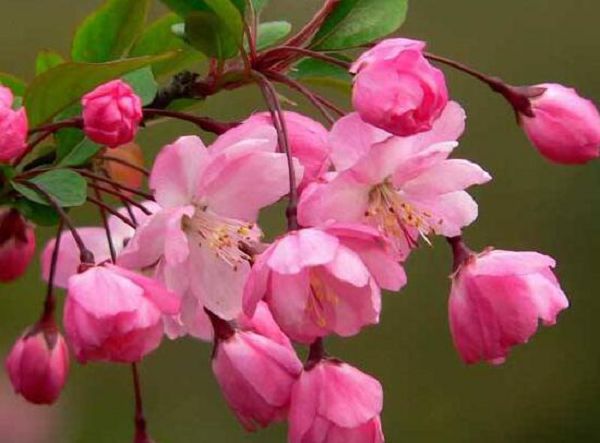
Crabapple has a certain ornamental value and is also known as the "noble consort of flowers," so it is loved by most people, and after it blooms it looks very beautiful. Therefore, many people want to know when crabapple blooms, so that when the crabapple blooming period arrives, they can go and admire the beautiful flowers. So how long does a potted crabapple's blooming period last? Next, let's find out together.
I. When Does Crabapple Bloom
Crabapple usually blooms when April arrives, and after blooming it is highly ornamental and pleasing to the eye. However, after crabapple blooms it has no fragrance, so it is only for people to admire and does not provide a fresh, pleasant floral scent. What's more, crabapple pollen is toxic, so it is best not to actively smell it, otherwise it can easily cause pollen allergies in people.
In addition, there is another situation: no matter what season it is, crabapple will bloom. Crabapple flower buds form easily. No matter when, as long as you manage fertilizer and water well, apply enough base fertilizer, and, seeing that the crabapple tree is growing well, carry out water control treatment, expose it to full sun for a certain time each day, then water a little in the evening, continue for one week, and then resume normal water and fertilizer management, it will be able to bloom.
II. How Long Does a Potted Crabapple's Blooming Period Last
Because there are many different varieties of crabapple, the blooming period of each kind of crabapple differs slightly. Below let's look at the blooming times of various crabapples: Malus micromalus blooms in April, Malus halliana blooms from March to April, Chaenomeles speciosa blooms from March to April, Chaenomeles cathayensis blooms in April, and Begonia semperflorens blooms in spring and autumn.
In fact, Rieger begonia is a general term for a group of begonia varieties produced by crossing Begonia socotrana with many tuberous begonias, and these are able to bloom in winter. Rieger begonia has a full plant shape, large flowers, a large number of blooms, diverse flower colors, multiple blooms a year, strong disease resistance, no tuber formation and no obvious dormant period, and other advantages, making it an excellent indoor potted flower.
III. Care Tips After Crabapple Blooms
1. Water Frequently
During the process of blooming, the flowers consume a large amount of nutrients and water. After the plant's flowers open, it likewise needs to store a certain amount of strength. After the flowers fade, we should water in time. Crabapple relatively prefers a warm and moist growing environment, so it is best to pay attention to this. However, during the budding stage, the amount of water needs to be reduced to prevent root rot. In addition, when watering, it is best to pour slowly along the edge of the flowerpot, and the water is best left to sit and be exposed to the air in advance.
2. Increase the Amount of Fertilizer
Crabapple flower buds form easily. No matter when, as long as you manage fertilizer and water well, apply enough base fertilizer, and, seeing that the crabapple tree is growing well, carry out water control treatment, expose it to full sun for a certain time each day, then water a little in the evening, continue for one week, and then resume normal water and fertilizer management, it will be able to bloom. If it still does not bloom, you need to remove all the leaves and let it sprout again, and then it will be able to bloom.
3. Pay Attention to Pruning After Blooming
After the flowers fade, the first thing we should do is prune the spent flowers. First, be sure to remember to promptly remove the flower center and get rid of the spent flowers. This can effectively reduce the waste of nutrients and help the plant grow more vigorously.
Conclusion: Through the detailed introduction above, I believe everyone now knows when crabapple blooms. Generally speaking, it will bloom fully when April arrives, and after blooming it looks very beautiful. As for how long a potted crabapple's blooming period lasts, it usually continues for two months, though some varieties can bloom all year round, so they are called everblooming begonia.