How to Prevent Fig Drop of Flowers and Fruit? A Detailed Guide to Practical Methods
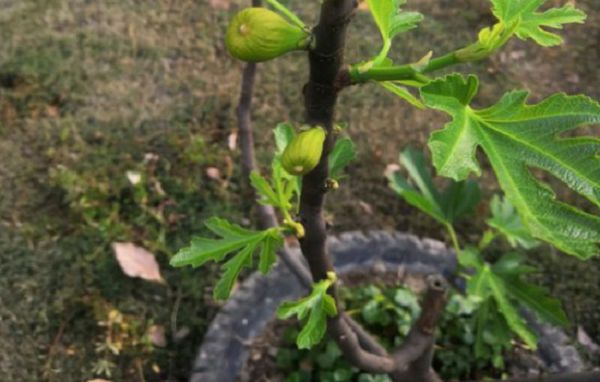
Many hobbyists enjoy growing figs as potted plants at home, since they are both ornamental and convenient for harvesting fruit. But routine care and management must be done well, otherwise the plant may develop growth problems. This is especially true during the flowering and fruiting period: if care is not up to standard, dropped flowers and fruit can easily occur.
There are quite a few reasons why figs drop their flowers and fruit, usually caused by deteriorated soil, root rot, or excessive fertilizer and water. But in fact, if the plant is attacked by pests and diseases, it is also quite prone to dropping flowers and fruit. It is clear that the causes of flower and fruit drop in figs are not simple or single, but multifaceted, and we need to judge them carefully.
As for the potting soil, figs prefer a soil environment with a pH between 7.2 and 7.5, one that is close to neutral or slightly on the alkaline side. If the potting soil we use is too acidic, it will inevitably affect its normal growth. If this happens right during the flowering and fruiting period, it will inevitably tend to cause flower and fruit drop as well. Therefore, to prevent flower and fruit drop, keep the potting soil as loose and breathable as possible with a suitable pH.
Root rot is also one of the main causes of massive flower and fruit drop. But there are also many factors that cause root rot, most often damage to the root system from excessive fertilizer and water. Do not assume that because figs like water and fertilizer you can water and fertilize without restraint. When there is too much fertilizer and water, it not only easily causes flower and fruit drop, but also easily causes root rot. So excessive fertilizer and water, along with root rot, are also important causes of massive flower and fruit drop.
Moreover, figs have a considerable demand for calcium during the fruiting period, and if they are watered too much or frequently exposed to rain during this time, it will inevitably affect calcium absorption. When the fruit absorbs too little calcium, malnutrition or nutritional imbalance occurs, which can also lead to fruit drop. Always water and fertilize scientifically, as this can effectively prevent flower and fruit drop.
In addition, if the plant is attacked by pests and diseases during the flowering and fruiting period, it is also prone to flower and fruit drop. Figs are relatively susceptible to pests such as longhorn beetles, mites, nematodes, and weevils, and treatment should be given promptly once they are found. As for diseases, the main ones are root rot and fruit rot, which likewise need proper prevention and control. Generally speaking, pest and disease attacks on plants are caused by a deteriorating care environment, so we must give the plants a care environment with ample light, brightness, and good ventilation, thereby reducing or eliminating the occurrence of pests and diseases and avoiding flower and fruit drop.