When is the best time to repot an old azalea stump?
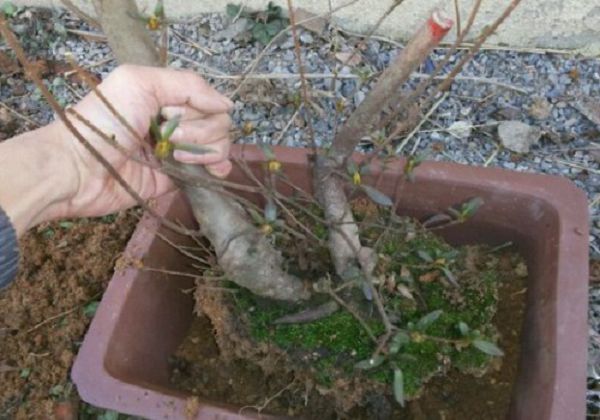
Yingshanhong, also known as azalea, is an evergreen shrub that is popular among many bonsai enthusiasts for its brilliant blooms and high ornamental value. Yingshanhong can not only be grown as a potted plant, but its old stumps can also be shaped into outstanding bonsai specimens for appreciation. But when grown in pots, repotting is often unavoidable. Repotting yingshanhong falls into two situations: one is that newly purchased or newly collected plants need to be potted up; the other is that after 2-3 years of care, they need regular repotting.
But no matter which situation applies, we must choose a relatively suitable time to repot. If the timing is inappropriate, it may affect the plant's ability to establish itself and survive, and may even lead to repotting failure; in serious cases, the plant may die, wasting our precious resources. Repotting old stumps in particular requires extra caution.
Repotting old yingshanhong stumps differs between raw stumps and established stumps. Raw stumps refer to wild-collected stumps; before potting up, they need heavy pruning, including root trimming, and then are potted bare-root. Established stumps refer to yingshanhong that has already been growing in a pot; generally, repotting them does not require heavy pruning, but rather appropriate root trimming followed by repotting with the soil ball. But whether raw or established, repotting should be done at an appropriate time, which is more conducive to establishment and survival.
Yingshanhong is generally repotted either in spring or autumn. For spring, February to March each year is most suitable; for autumn, it is generally done after September, and in southern regions it can even be done in late autumn or early winter. As long as we can grasp these timing points well, combine them with the local climate and environment, and repot using scientific methods and standardized procedures, the plant will generally establish itself and survive fairly smoothly.
However, recommending repotting yingshanhong in spring and autumn does not mean it cannot survive if repotted in other seasons. For experienced growers, it can even be repotted in all four seasons and still be kept alive. The key lies in whether we can provide suitable conditions for repotting and whether we can carry out the measures needed to keep it alive. For beginner growers, compared with other seasons, spring and autumn are often more suitable for repotting yingshanhong.