How to repot a goldfish plant so it settles in quickly
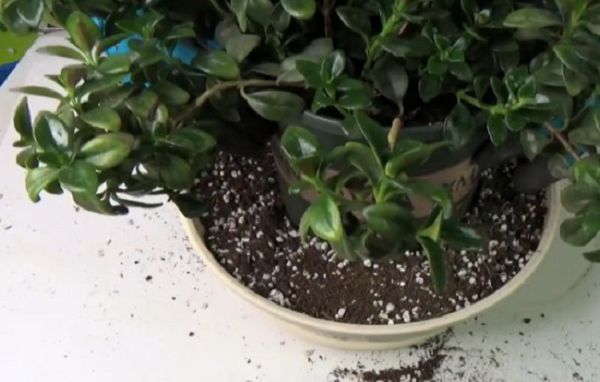
The goldfish plant has a well-developed root system and grows quickly, so it is generally recommended to repot it once a year. When the space and nutrients in the pot are plentiful, it can maintain vigorous growth for a long time. But repotting will inevitably cause some degree of harm to the plant, so how quickly it settles in will also be affected.
In fact, if you want your goldfish plant to settle into its new pot more quickly and smoothly after repotting, you only need to master a few key techniques. Today the editor will share with you the method for getting a goldfish plant to settle in quickly after repotting. Let's take a look below.
1. Repotting time
Because the climate and environment differ from season to season, and different climate conditions tend to have different effects on plant growth. This is especially true when repotting flowering plants, as you must choose the right moment, and the same goes for the goldfish plant. Generally, the most suitable time to repot a goldfish plant is in spring, in March, after the flowering period ends, though it can also be done in autumn.
2. Potting soil preparation
Whether the soil is good or not will largely affect the growth of flowering plants, especially the new soil used for repotting, which should be prepared according to the plant's preferences. The goldfish plant likes fertile, loose, slightly acidic soil with strong air permeability and drainage, so it is recommended to use leaf mold, garden soil and river sand mixed and stirred evenly in a 4:3:2 ratio.
Of course, you can also use other good soil mix recipes, because there are many of them. When using new potting soil, it is recommended to mix a little carbendazim into the soil, especially if you are repotting after trimming the roots, as this step is then indispensable. This ensures the potting soil is clean, free of pests and diseases, and safer to use.
3. Repotting technique
First use a larger flower pot and make a drainage layer, then place the potted plant together with its pot in the center of the new pot. After that, fill soil into the new pot around the flower pot. Finally, take the potted plant out of the new pot and spread a thin layer of soil over the bottom of the large groove that has been formed. Next, after taking the plant together with its original soil out of the old pot, place the whole thing into the large groove in the new pot, gently firm down the new soil so that the new soil and the original soil make fuller contact, and top up with soil as appropriate.
4. Care and management
After repotting is complete, we only need to water the goldfish plant thoroughly once to settle the roots. Of course, when watering, it is recommended to add a few drops of white vinegar to the water, shake it well and then water thoroughly. Because the goldfish plant likes slightly acidic soil, white vinegar can help raise the acidity of the potting soil, which lets it grow better in its new pot. Finally, place the potted plant in a cool, ventilated spot to recover.
In this way we can repot the goldfish plant intact without damaging its roots. As long as the original soil around the plant has not become compacted, we can use this method to repot it, and the plant will quickly finish recovering and resume fast growth once it has settled in.