How to fertilize potted flowers? Keep these precautions in mind
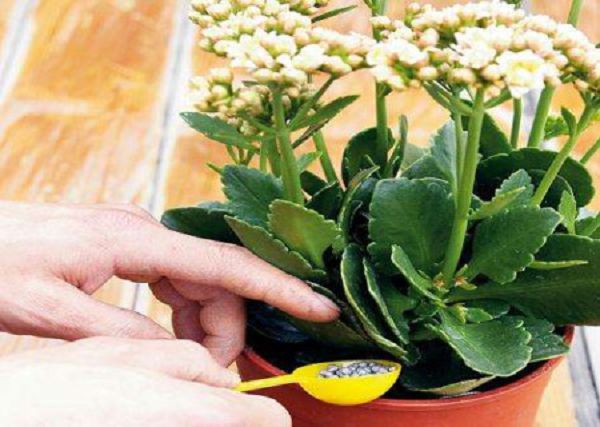
Potted flowers need fertilizer just as people need food; it is the absorption of nutrients and the maintenance of life. But fertilizing cannot be done blindly. When to fertilize and when not to fertilize, we must have a clear idea! If too much or too concentrated fertilizer is applied, it will burn the root system, causing the plant's leaves to turn black, scorch, and fail to form buds or bloom.
Different flowers, different stages, different fertilizers, and different fertilization methods; do not imitate blindly. Choose the fertilizer and the fertilization method according to the condition of your own plants. Flowers should be fertilized at the right time and in the right amount, and you must also grasp the season and timing. Generally, fertilize during the growing season of the flowers; vigorously growing flowers need more fertilizer; apply complete-element fertilizer at the seedling stage; during the flowering and fruiting stage, mainly apply phosphorus fertilizer; for foliage plants, mainly apply nitrogen fertilizer; stop fertilizing flowers that are in the dormant period. In addition, master the principle of applying thin fertilizer frequently, that is, eat small meals more often.
So, what precautions are there for fertilizing potted flowers?
1. The roots must not come into contact with base fertilizer
When planting flowers, do not place the plant's root system directly on the base fertilizer; instead, add a layer of soil on top of the fertilizer. Otherwise, it will not only be unfavorable for the fertilizer to be fully absorbed and used, but will also damage the root system.
2. Newly planted plants must not be fertilized
Newly planted plants have many root wounds. If stimulated by external fertilizer effects, the wounds will be difficult to heal, which will cause root rot and may even lead to plant death. Some cuttings and seedlings that have not yet rooted after sowing also must not be fertilized.
3. Whether sick plants can be fertilized.
Sick and weak plants have weak growth vigor, poor photosynthesis, slow metabolism, and low ability to absorb fertilizer. If fertilizer is applied at will, it is instead likely to cause fertilizer damage.
4. Do not fertilize during the flowering period
Fertilizing during the flowering period will promote excessive vegetative growth of the plant, easily causing leggy growth and resulting in bud drop and flower drop.
5. Flowers must not be fertilized during the dormant period
Flowers stop or slow their growth during the dormant period. If fertilizer is applied, it will break dormancy, prompt the plant to continue growing, and affect flowering the following year.
6. Potted flowers must not be given concentrated fertilizer
When fertilizing flowers, you must strictly control the amount of fertilizer. Avoid excessive concentration or excessive dosage, otherwise it will burn the plant's root system and, in severe cases, cause death. Generally, apply thin fertilizer frequently.
7. Flowers must not be given undecomposed fertilizer
Applying incompletely decomposed organic fertilizer to flowers not only easily spreads pests and diseases, but the organic fertilizer will ferment and generate heat during the decomposition process, burning the plant's root system.
8. Do not fertilize directly under the root crown of flowers
As flower plants grow continuously, their root systems also gradually expand accordingly. If fertilizer is applied under the root crown, it is instead unfavorable for full absorption and use. Therefore, according to the plant's growth condition, apply it in holes at an appropriate distance from the roots or at the edge of the pot, so as to facilitate root absorption.
9. Avoid dry application of topdressing and excessive fertilization amounts
The root systems of potted flower plants are relatively concentrated. If the water supply is insufficient after fertilization, it often causes excessive local fertilizer concentration, causing the root system to suffer damage due to dehydration. When spraying foliar fertilizer, it is not recommended to do it under harsh sunlight, to avoid water evaporation that causes loss of fertilizer effect or damage to the leaves.