A Detailed Guide to Grafting Kalanchoe with Bryophyllum
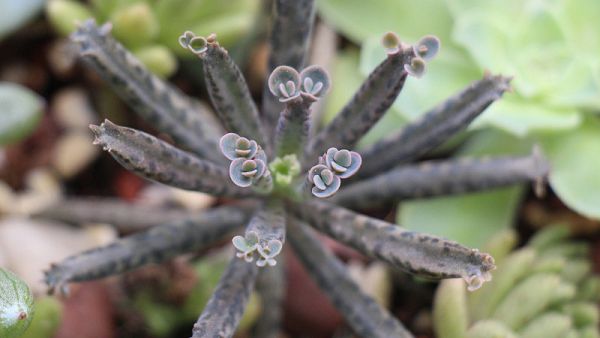
Grafting Kalanchoe with Bryophyllum is best done in February-March each spring. The branches used for grafting need to be robust and disease-free, and the rootstock must be one that has already begun to lignify. After grafting is complete, tape must be used to secure the branch and rootstock together, and the plant needs to be placed in a ventilated, semi-shaded environment for careful care for a period of time.
How to Graft Kalanchoe with Bryophyllum
1. Grafting Time
Grafting Kalanchoe with Bryophyllum requires choosing a suitable time. Based on Bryophyllum's growth habits, the most suitable grafting time is February-March each spring. At this time the weather warms up and Bryophyllum is in its vigorous growth period, so the survival rate after grafting will be a bit higher, and it will also grow relatively faster.
2. Branch and Rootstock
The branch used for grafting needs to be a robust and disease-free type, about 5cm in length is sufficient. Then the bottom of the branch needs to be sharpened, and after trimming is complete, carbendazim must be used to disinfect the cut on the branch. The rootstock used is best one that has already lignified, and the cut on the rootstock must be flat. Finally, cut a hole that fits the branch.
3. Grafting and Care
Insert the prepared branch onto the rootstock and the grafting is complete. Then tape must be used to wrap the grafted area so that the branch and rootstock can grow tightly together. Afterward, careful care is needed; it is best to place the plant in a ventilated, semi-shaded environment, and in about a month the plant will be able to grow steadily.