What is the difference between hibiscus and hibiscus peony? Learn to tell them apart quickly
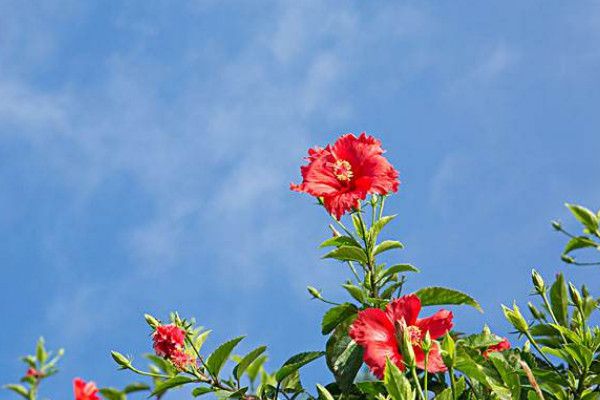
Hibiscus and hibiscus peony belong to the same species and there is no difference. When growing hibiscus, pay attention to providing it with plenty of light and slightly acidic soil. Take care to keep it warm when temperatures are too low to avoid frost damage. During the growing season, provide plenty of water and fertilizer to help the hibiscus grow healthily.
What is the difference between hibiscus and hibiscus peony
1. There is no difference
Hibiscus, also known as hibiscus peony, is therefore no different from hibiscus peony; they are the same species. It has high ornamental value and is suited to growing in a warm environment. In winter it needs to be kept indoors, otherwise it will suffer frost damage. Its optimal growing temperature is between 12 and 15 degrees.
2. Light requirements
Hibiscus needs plenty of light to grow, requiring at least 8 hours of light per day. If there is not enough light, the hibiscus will bloom later or its flowers will shrivel and become smaller. However, when temperatures are low it is not suitable to place it outdoors for light; it is best to place it outdoors to grow in early summer.
3. Soil requirements
Hibiscus is not demanding about soil and has strong adaptability to soil, but it grows better in slightly acidic soil. You can choose to plant it in acidic soil that is loose in texture, rich in nutrients, and well aerated and drained, ensuring the hibiscus grows vigorously.
4. Applying water and fertilizer
During the growing season, hibiscus has a great demand for water and fertilizer, so at this time the frequency of fertilizing and watering should be increased appropriately. You can water once every morning and ensure the growing environment has suitable humidity to avoid bud drop in hibiscus. When fertilizing, use a variety of fertilizers, such as nitrogen, phosphorus and potassium fertilizers. Never use only a single fertilizer, which would cause the hibiscus to grow leggy.