A Detailed Guide to the Care Methods and Tips for the Lantern Kalanchoe
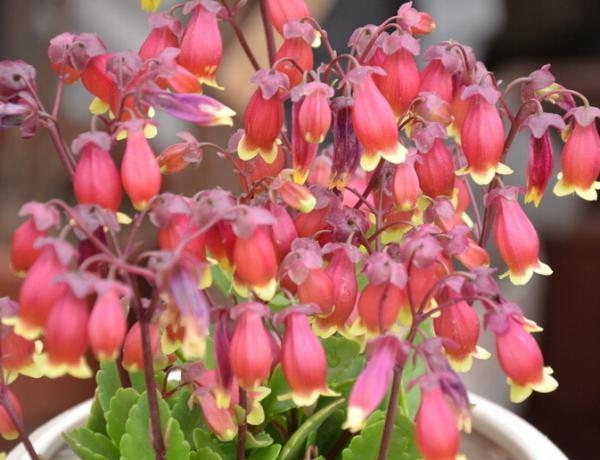
The Lantern Kalanchoe is a recent favorite in the floral world; not only are its colors gorgeous, but its peculiar lantern-like shape is also extremely charming. The care methods for the Lantern Kalanchoe are roughly similar to those for the Kalanchoe, yet there are minor differences. Generally speaking, if you pay close attention to the following points, lantern-like flowers will hang all over the branches.
1. Soil mix: The Lantern Kalanchoe is not picky about soil, but it grows best in loose, fertile, slightly acidic sandy loam. Use a mixed soil of leaf mold and garden soil, and blend in an appropriate amount of gravel to enhance the soil's drainage.
2. Watering: The Lantern Kalanchoe is drought-tolerant and afraid of waterlogging; when watering, it is best to follow the principle of "don't water if not dry, water thoroughly when you do." Keeping the potting soil moist helps it grow quickly, but you should avoid the soil being wet for a long time, which can cause the plant's roots to rot. The Lantern Kalanchoe is an acid-loving plant, and watering it with acidic water is more beneficial to the plant's growth. Rainwater, river water, and pond water from nature are all extremely suitable, while tap water needs to be left on a windowsill to air out for a few days before use.
3. Fertilizing: Apart from stopping fertilizing in summer, at other times you can apply a liquid fertilizer mainly based on phosphorus and potassium once every 10 days, to help the Lantern Kalanchoe bloom better.
4. Light: The Lantern Kalanchoe does not have high light requirements, but maintaining more than 4 hours of direct sunlight per day can promote lush branches and leaves, more flowers, and more vivid flower colors.
5. Temperature: The Lantern Kalanchoe grows most vigorously in an environment of 15-25°C; above 30°C it enters a dormant state, and below 10°C it also stops growing. Therefore, if you want the plant to bloom abundantly, providing it with an environment that is warm in winter and cool in summer is essential.