How to care for Cymbidium sinense after repotting? Sharing tips for orchid growing
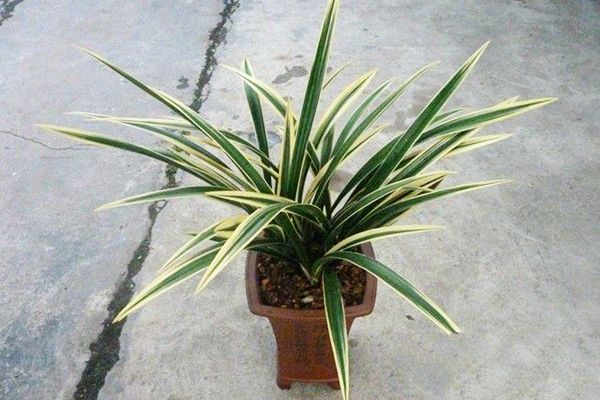
Cymbidium sinense, also called the New Year orchid, is a type of orchid. It has high ornamental value and has been loved by scholars and poets since ancient times. It is also a relatively common orchid variety grown by flower enthusiasts today. Recently, some flower enthusiasts have asked about fertilizing and care after repotting Cymbidium sinense. Below, the editor has put together management and growing tips for Cymbidium sinense after repotting.
After repotting, Cymbidium sinense goes through a period of adjusting to the pot. During this period, do not fertilize at all, otherwise it will backfire; we must never do things that are futile and useless. There are far too many growing tips to count, so let's talk about them below.
After repotting Cymbidium sinense, first water it thoroughly and place it in a shady spot. Then isolate it from other orchids. This isolation does not mean it is sick and being quarantined; rather, at this time a repotted orchid has poor resistance, and this practice is to prepare it for a normal recovery later on. What is an orchid's recovery period? How long does its recovery take? This recovery period is when an orchid, upon being repotted, transitions from a dormant state to fully revived.
The time for an orchid to fully revive after repotting is at least 15 to 30 days. During this time, do not fertilize at all! This is because at this point the orchid's root function is not yet fully normal, and its absorption function is not yet active. If you fertilize it at this time, it may cause damage to the orchid's roots. Wait until the orchid's life functions are completely normal, and then fertilizing it will not be too late.
One of the tips for growing orchids: you can use water soaked from willow branches to water orchids. The specific method is as follows: cut willow branches with scissors into lengths of 15 to 20 cm, about 20 pieces, put them into a basin or bucket, add clean water, and after about 7 days, the water will change color, and then it can be used to water the orchids at the roots.
It should be noted that willow branches contain salicylic acid, and this salicylic acid can protect the orchid's root system and can keep the orchid's roots from rotting easily.