How to Grow Gardenia? A Detailed Guide to Cultivation Methods and Precautions
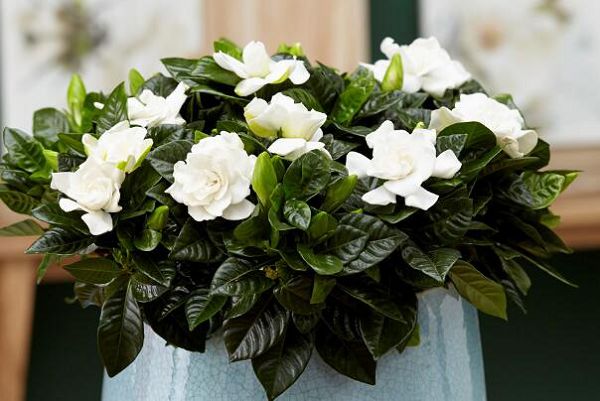
Gardenia is an evergreen shrub native to our country. Its flowers are fragrant and beloved by many people, making it very suitable for home cultivation. Many people grow gardenia, so how do you grow gardenia? Now let's have Fafa Shu Zhijia introduce the cultivation methods and precautions for gardenia.
How to Grow Gardenia
To understand how to grow gardenia, you first need to understand its habits. Gardenia likes moisture and cannot tolerate drought, so gardenia cultivation mainly involves potting soil, temperature, watering, fertilizing and care. Below, let's take a specific look at the cultivation methods and precautions for gardenia.
Cultivation Methods and Precautions for Gardenia
Potting Soil Requirements
In the cultivation methods and precautions for gardenia, potting soil requirements are also the first priority in growing gardenia. The potting soil for gardenia can use mountain soil, or a mix of 4 parts leaf mold, 4 parts vegetable garden soil and 2 parts river sand. Gardenia likes fertile, loose, well-drained acidic soil, and a soil pH between 4-6 is most suitable.
Temperature Requirements
How to grow gardenia: gardenia likes a warm environment, and the optimal growth temperature is 16-18 degrees. Both too high and too low temperatures are unfavorable for its growth. Therefore, in the high-temperature summer season, measures should be taken to lower the growing environment's temperature, and in the low-temperature winter season, warmth preservation work is needed. In both summer and winter, you can choose an indoor environment with good ventilation for cultivation.
Watering Requirements
Gardenia likes a humid environment and has relatively high requirements for both soil moisture and air humidity. So how do you water gardenia? During the growing season, ensure the water supply and water frequently. At the same time, you can spray water mist on the leaves or the growing environment to increase air humidity. In winter, pay attention to the amount of watering to avoid excessive water accumulation causing root rot.
Fertilizing Requirements
In the cultivation methods and precautions for gardenia, gardenia has a moderate demand for fertilizer. It is recommended to apply fertilizer once every two weeks during the peak growing season. This is beneficial for the growth of its branches and leaves, and later the flowers will be more abundant and vigorous.
Pruning Methods
During the growth period of gardenia, the branches tend to overlap, which is not conducive to ventilation. Therefore, it should be pruned appropriately so that it can grow better and promote branching. After the flowers fade, promptly cut off the remaining branches, which can both preserve nutrients and promote the sprouting of new shoots. There is a detailed introduction in the gardenia pruning methods.
Precautions
How to grow gardenia: the main precautions for growing gardenia are as follows:
1. After planting, water promptly with settling water to establish the roots, and maintain relatively high air and soil humidity, but do not allow water accumulation, so as to avoid root rot. Before flower bud formation and blooming, strengthen fertilizer and water management, and follow the principle of light and frequent application.
2. The plant row spacing depends on the purpose of producing gardenia. Generally, for cut flowers and ornamental use in public places, the planting pit should be about 50cm deep and 50cm wide, and it is best to plant during the dormant period. If planting during the growing period is necessary, it is best to carry a soil ball to ensure survival.
3. Open-field cultivation of gardenia has strong adaptability, and cultivation management is relatively extensive, making success easy to achieve. It is advisable to choose fertile, loose, well-drained acidic and slightly acidic soil in a sunny area that is not easily exposed to direct sunlight or scorching sun for cultivation.
Summary: The above content is an answer to how to grow gardenia and the cultivation methods and precautions for gardenia. Through the above content, you can have a more comprehensive understanding of gardenia cultivation.