Why does a clivia not grow new leaves
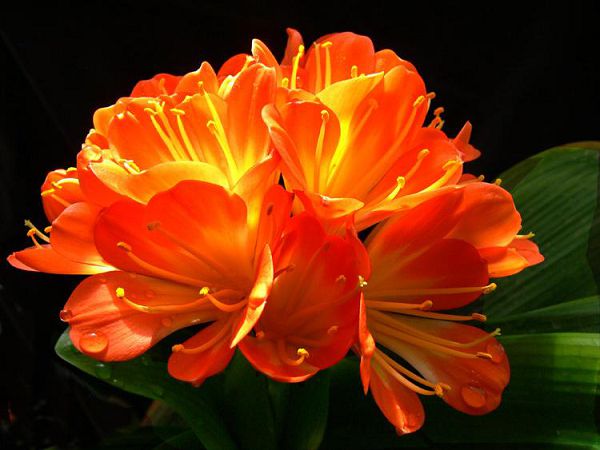
Clivia is a perennial herbaceous plant with a flowering period lasting 30-50 days, mainly in winter and spring. Clivia has high ornamental value, and in China it is often grown in pots in greenhouses for viewing. Some flower enthusiasts may encounter the situation where a clivia does not grow new leaves, so what causes this situation? Let's read on together~
Generally speaking, if it does not grow new leaves for a year, it means there is a problem with its care, and the problem needs to be investigated. Normally, a clivia can grow 1-3 pairs of new leaves a year.
There are many situations that cause a clivia not to grow new leaves, such as stunted growth, pest damage, root rot, etc. The most effective way to deal with it is to change the soil. This way, first, you can check the health of the clivia's root system; second, you can break the stunted growth. It is best to use a medium with good air permeability and water permeability, because clivia has fleshy roots, and water accumulation easily causes root rot. In winter, pay attention to cold protection; in summer, pay attention to high temperatures, and be careful not to water too much. Just keep the potting soil moist, and fertilize appropriately, once a month during the growing season. It is believed that within 2-3 years it will grow larger and bloom.
Below are some more causes, hoping they are helpful to flower enthusiasts:
1. Severe root rot leads to no new leaf growth. Root rot makes the clivia's nutrient supply insufficient, which is one reason for not growing new leaves.
2. When the soil is changed, the soil is alkaline, which inhibits root growth and nutrient absorption, and can also cause no new leaf growth.
3. Pests eat the growth point of the orchid core or the core rots, causing no new leaf growth.