Care Methods and Precautions After Repotting a Goldfish Plant
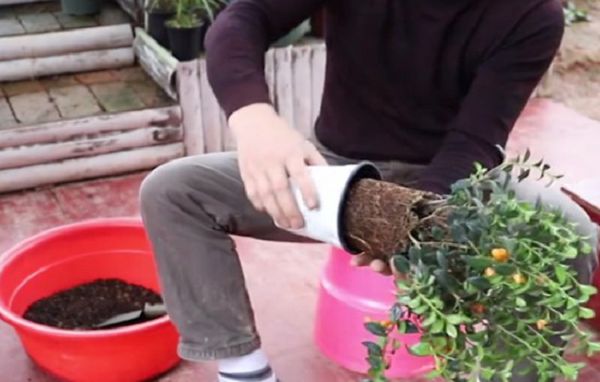
The goldfish plant has a very developed root system, which means its roots have an extremely strong ability to absorb and supply nutrients, delivering nutrients to the plant with very high efficiency. As a result, it usually grows very quickly and is easy to cultivate into a lush, leafy plant. It also has strong sprouting ability and is tolerant of pruning; regular pruning can better promote branching, and naturally more flowers will follow.
However, precisely because of its developed roots and strong absorption capacity, the nutrients in the potting soil are easily used up. Therefore, its demand for nutrients is also quite high, and it is itself an evergreen flowering plant, so as long as the growing environment is suitable, it can keep growing continuously.
With frequent watering and fertilizing, its potting soil will also gradually become compacted, which reduces the roots' ability to breathe and hinders the penetration of water and fertilizer. Over time, this will naturally gradually inhibit its growth. So it needs to be repotted with fresh soil on a regular basis. Moreover, as it keeps growing, the plant will become larger and larger, and the space in the pot will no longer be suitable for its growth, so it should also be repotted in time.
A goldfish plant generally needs to be repotted and given fresh soil once a year, but there are quite a few factors that affect how quickly it settles in. Besides mastering the timing and method of repotting, the care and management work after repotting also needs to be done well. So, how do you care for a goldfish plant after repotting?
Since the repotting process will more or less damage the plant's roots, and its root system is developed, it is often also necessary to combine this with root pruning. After cutting off its old, weak, diseased and dead roots, it not only stimulates it to sprout new roots, but also prevents the aged roots from rotting after repotting and breeding harmful bacteria that would damage the plant's normal growth. Then it is planted again in a new pot.
Generally, after repotting is done, it needs to be watered thoroughly once as a settling-in watering, and it is also recommended to add a little fungicide such as carbendazim to the water. Or adding a little rooting agent is fine too, because rooting agents themselves can also play a certain role in sterilization and disinfection, and can also promote the plant to sprout new roots.
After watering thoroughly, promptly place the potted plant in a cool, ventilated place for care, and by no means provide it with light too early. At the same time, during the seedling recovery period, watering also needs to be strictly controlled, and do not fertilize, otherwise it will affect how well it settles in. During this period, if a lack of water occurs, we can spray it with a little water to maintain the necessary humidity. Generally, after a few days of recovery, the plant will settle in, and then its normal care and management can be gradually resumed.