Winter jasmine is highly cold-tolerant, so why is yours struggling to survive the winter?
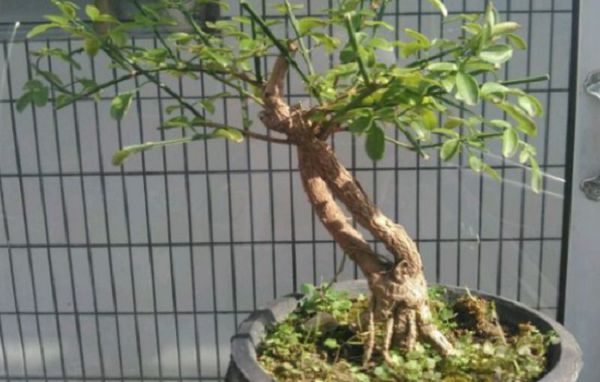
Winter jasmine (Jasminum nudiflorum) is a deciduous flowering shrub that is cold-tolerant but fears waterlogging. Because of its strong cold tolerance, it has also earned the honor of being one of the "Four Friends in the Snow." Moreover, its blooms are very beautiful, making it a true harbinger of spring. That is why many gardening enthusiasts like to grow it as a potted plant at home for appreciation or to add a festive atmosphere during the Spring Festival.
Although winter jasmine is famously cold-tolerant, some potted winter jasmine grown at home are in poor condition, as if they had been frostbitten. And by the end of the year they are slow to bloom, and even when they do bloom the effect is not very good, the flowering period is very short, and there may even be dead branches. What is going on here?
The reasons for the above poor symptoms in potted winter jasmine, and its inability to overwinter safely and smoothly, mainly come down to the following aspects:
1. Poor placement location
Winter jasmine prefers light, so many enthusiasts place their pots on outdoor balconies in winter to get good light. But when placed outdoors in winter, people usually tend to overlook the blowing of cold wind. If it is placed outdoors in a windy environment in winter, the plant is constantly buffeted by cold wind and may also suffer frost damage, especially on shaded outdoor balconies of high-rise buildings or in northern regions. Therefore, it should be brought indoors or placed in a sheltered spot for care.
2. The plant has only recently settled into the pot
Many enthusiasts like to use winter jasmine to make bonsai. Although its value can be further enhanced this way, if we transplanted a wild-collected stump in autumn and it has only recently settled into the pot, its root system is relatively small. Therefore, the plant's own cold resistance is naturally not strong. So for winter jasmine in this situation, it is best to bring it indoors to keep warm.
3. Continuous low-temperature weather
Although winter jasmine is fairly cold-tolerant, if it is placed outdoors and encounters continuous rain and snow in winter, it may also suffer frost damage. This is because winter temperatures are already relatively low, and with continuous rain and snow, the plant stays in this harsh environment for a long time and is likewise prone to frostbite. So when rain and snow occur, it is recommended to bring it indoors promptly to keep warm.
4. Caused by the plant suffering drought
Although winter jasmine grows slowly in winter and temperatures are low, so it is not suitable to water it much. Generally, after leaf drop, water should be controlled in time, but winter air is often quite dry and cold. If the plant is often short of water in winter and is in a state of dry freezing, it may also suffer frostbite. Especially during the period of bud formation and sprouting, do not let it suffer freezing, otherwise it will affect both growth and flowering.
5. Too much moisture in the pot
In winter, water control for potted winter jasmine must be done in time. If you still manage it according to your usual watering method, it will not only easily reduce the plant's cold resistance, but also easily cause water accumulation in the pot and root rot. If it happens to be during the sprouting and bud-formation period, the situation will be even more serious. Also, when rain and snow occur, do not leave it outdoors, to avoid water accumulation in the pot.