Yellowing and wilting leaves on potted plants may be caused by improper watering
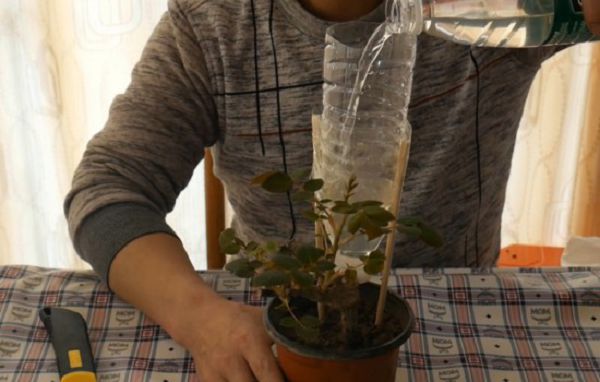
Friends who like to grow a few flowers and plants in pots at home have usually encountered this situation: ornamental plants are quite prone to yellowing and wilting leaves. For an ornamental potted plant, this is something we simply cannot accept, because yellow leaves and wilting greatly reduce its ornamental value.
For many gardening friends, they usually just water their potted plants when they are short of water, so why do symptoms like yellowing, wilting and shrivelling leaves still appear? In fact, when potted plants develop yellowing and wilting leaves, it may be caused by improper watering methods.
This is because every flowering plant tends to have its own growth habits, especially different water requirements. If you water too little and let the plant suffer drought often, or water too much and prevent the roots from breathing, the greenery may develop yellowing and wilting leaves. So how do you water potted green plants scientifically?
When watering potted plants, we first need to get the timing right. Generally, when we see that the potting soil has dried out and the plant's leaves have begun to show slight signs of wilting, it means it is time to water. Or we can pick up the pot with our hands and weigh it, comparing it with before and after watering, to easily judge whether it needs watering in time.
If we find that the pot weighs noticeably much less than it did right after watering, it means the water in the potting soil is very scarce and needs to be replenished in time; if it still feels rather heavy when we weigh it, it usually means there is still plenty of water in the potting soil and there is no need to water. We can also insert a chopstick or a dry wooden stick into the pot and check whether there is moisture on the stick to judge whether watering is needed.
It can be seen that there are quite a few ways to judge whether a potted plant is short of water and whether it is necessary to water. And if you are not sure about one aspect, you can combine several methods to make the judgment, and you will surely not go wrong. In spring, summer and autumn, when temperatures are higher, the watering time is generally best chosen in the early morning or in the evening when temperatures are lower; in winter, choose noon on a sunny day when temperatures are higher.
But besides getting the watering timing right, the watering method is also very important. If the method is improper, it can likewise easily cause the plant's leaves to turn yellow and wilt. First, we need to choose a reasonable water source. Many gardening friends, for convenience and to save trouble, use tap water directly for watering. If you use tap water, be sure to draw it out in advance and let it sit in the sun for a few days, so that the chlorine in the water fully evaporates.
It is generally recommended to use clean water such as river water or rainwater for watering. And when watering, never use a strong gush of water, as that makes it hard to soak the potting soil thoroughly and easily results in half-watering. This is because when watering flowering plants, we generally need to follow the principle of not watering when the soil is not dry, and watering thoroughly when it is dry. A strong gush not only makes it hard to water thoroughly, but also easily causes local waterlogging and leads to root rot.
But for flowering plants to grow vigorously, they need sufficient water and nutrients. If you do not want to apply fertilizer, it is suggested to use rice-washing water or vegetable-washing water from the kitchen to water the flowers, which can not only replenish water for the plants but also supplement nutrients. The prerequisite, however, is that it must be fermented and fully decomposed, then diluted with water in an appropriate ratio before it can be used to water flowers.