Pothos and clivia... Grown like this in summer, yellow leaves are hard to come by
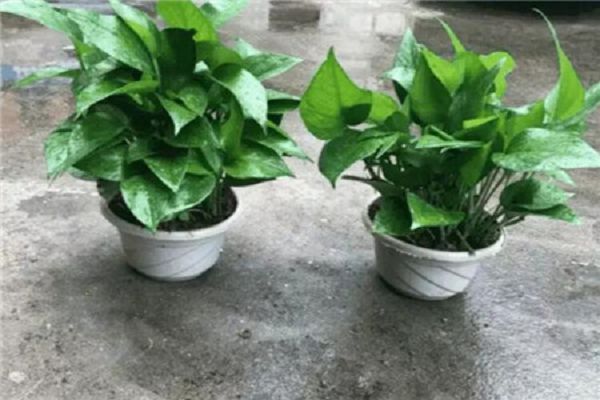
Pothos turns into a yellow-haired monster in summer
Pothos is a plant many flower lovers enjoy growing, with almost every household having a pot. But once the glossy green pothos turns into "yellow pothos," it stops being appealing.
Why does pothos keep getting yellow leaves?
1. Insufficient light
Many flower lovers think that because pothos is shade-tolerant, it doesn't need sunlight, but that's not true. If it stays in a dark environment for a long time, pothos is actually prone to yellow leaves. Flower lovers should quickly move their pothos to the balcony to get some sun.
2. Too little watering
Summer is when water evaporates most vigorously. If pothos isn't watered in time, it easily gets yellow leaves and withered branches from lack of water. The best method is to water about once every 2 days, and normally spray the leaves with water frequently, so the pothos can grow vigorously.
What to do when pothos has yellow leaves?
1. Prune yellow leaves and withered branches
If only some of the pothos leaves have turned yellow, just cut off the yellowed leaves and withered branches, then place it in a cool, ventilated spot to recover for two days. After that, put it in a bright spot for normal care.
2. Heavy pruning and cuttings
If basically all the pothos leaves have turned yellow, it means the root system already has problems. All the bad leaves and branches need to be cut off, leaving healthy branches for water propagation by cuttings.
Clivia turns into a yellow palm-leaf fan in summer
Clivia enters a dormant period in summer, and this is also its best leaf-viewing period. But many flower lovers' clivias get yellow leaves as soon as summer comes. Why is that?
Why does clivia keep getting yellow leaves?
1. Overwatering
Clivia itself has fleshy roots and goes dormant in summer. If the soil stays moist for a long time, the tips of the clivia leaves will first turn brown and gradually spread downward until the entire leaf dries up.
2. Too much light
Summer light is intense. If clivia is placed where there is direct sunlight, it easily gets sunburned brown patches, and the leaf edges will also become scorched. In summer, it's best to keep clivia in diffused light and avoid direct sun.
What to do when clivia has yellow leaves?
1. Increase ventilation
If only part of a clivia leaf shows yellow patches or drying, do not prune it, because clivia leaves grow very slowly and it takes a long time to grow new leaves after cutting. In this case, just place it in a cool spot and increase ventilation.
2. Pruning
If an entire clivia leaf has turned yellow and there is no chance of it recovering, then the whole leaf needs to be cut off, and the plant should be placed in a cool spot or given shade treatment.
Money tree turns into a "yellowing tree" in summer
When it comes to the plant most prone to yellow leaves, the money tree is certainly among them. With a little carelessness in summer, your home gains a pot of "yellowing tree."
Why does the money tree keep getting yellow leaves?
1. Poor ventilation
Generally speaking, the money tree grows very vigorously in summer, but if the ventilation is poor, the money tree easily gets yellow leaves and root rot from water accumulation. In summer, it's best to place the money tree near a well-ventilated window.
2. Overwatering
Many flower lovers think that because the money tree grows fast in summer, they should just keep watering it, which leads to poor root respiration and causes yellow leaves and root rot. In summer, a small money tree can be watered once every 2-5 days, and a large money tree once every 7-10 days.
What to do when the money tree has yellow leaves?
1. Remove yellow leaves
Remove all the yellowed and dried leaves from the money tree, place it in a cool spot, and improve ventilation.
2. Fix rotten roots
If the money tree's yellow leaves are relatively severe, it means the root system has already begun to rot. At this point, the money tree needs to be taken out of its pot, the rotten roots cleaned away, disinfected, and then repotted.
Peace lily turns into "yellow lily" in summer
The peace lily is also called "smooth sailing," so many flower lovers like to grow a few pots. But in summer, peace lilies keep getting yellow leaves. What exactly is the reason?
Why does the peace lily keep getting yellow leaves?
1. Environment humidity too low
The peace lily likes an environment with relatively high air humidity. If the growing environment is too dry, plus watering is not timely, the peace lily leaves easily turn yellow. Normally, pay attention to spraying water on the peace lily leaves frequently, or sprinkle water on the ground, to ensure environmental humidity.
2. Soil salinization
The peace lily likes slightly acidic soil. Compared with the south, growing peace lilies in the north makes them more prone to yellowing, mainly because the water and soil in the north are more alkaline, so yellow leaves on peace lilies are inevitable. It is recommended to water once a month with a diluted ferrous sulfate solution to improve the soil's pH.
What to do when the peace lily has yellow leaves?
1. Place in a spot with diffused light and ventilation
If the peace lily's yellow leaves are not very serious, just place it in a spot with diffused light and ventilation for care, and normally spray the leaves with water frequently.
2. Prune and repot
If large areas of the peace lily leaves turn yellow, it means there is a soil problem that has caused root damage. At this point, it is recommended to repot it, replace the nutrient soil, and prune the yellow leaves.