How Often to Water Orchids? Master the Best Watering Times and Key Points
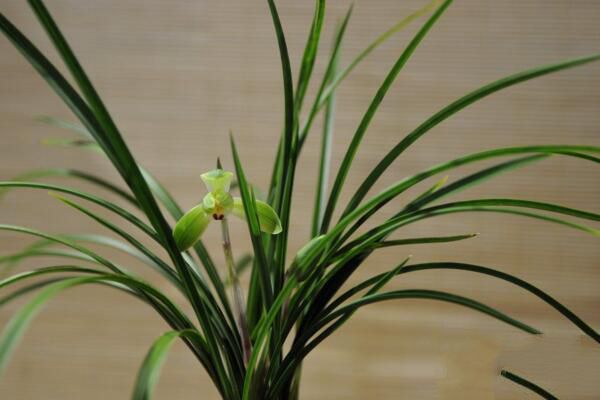
How often should you water orchids? Orchids are also known as Chinese orchids, orchid grass, orchid flowers, secluded orchids, national fragrance, and fairy of the empty valley. They bear racemes with several or many flowers, in colors such as white, pure white, white-green, yellow-green, pale yellow, and pale yellow-brown, and are ranked alongside "plum, bamboo, and chrysanthemum," collectively known as the "Four Gentlemen." In May 1985, orchids were rated fourth among China's top ten famous flowers, so today we will discuss the key care points for orchids, which are so beloved by flower enthusiasts, as follows.
I. How often to water orchids.
When growing orchids, watering too frequently or giving an excessive amount of water every day will cause wounds to the orchid plant. Relatively speaking, letting the orchid plant go dry for a few days will not kill it. The correct watering method is: wait until the potting soil is completely dry and all the soil in the pot is dry before watering. When watering, water thoroughly until water drains out of the drainage holes at the bottom of the pot. If excess water flows out into the saucer, pour out the excess water promptly. For plants that prefer moister conditions, such as potted pothos and nerve plants, you can increase the watering frequency once the temperature is above 17 degrees.
II. The best time to water orchids
When watering orchids in spring, summer, and autumn, it is best to do so before 9 a.m. Avoid watering in the evening, because at night the moisture in the soil cannot evaporate, and water may also remain on the leaf surface or the plant, thereby causing root rot or leaf rot and easily triggering fungal infections. In hot seasons, when evening temperatures are relatively high, you can water in the evening or at night, and avoid watering at noon. For plants that go dormant in winter, be careful to water less.
III. Precautions for watering orchids
When watering, do not just give a little water and stop once the surface soil is moist; this is not good for the plant's growth. A little water is only enough to moisten the surface soil, and the roots cannot absorb any water, which easily causes yellow leaves and wilt disease in the plant. Therefore, each time you water, water thoroughly and avoid giving only a half watering.