What causes lily leaves to become soft and curl?
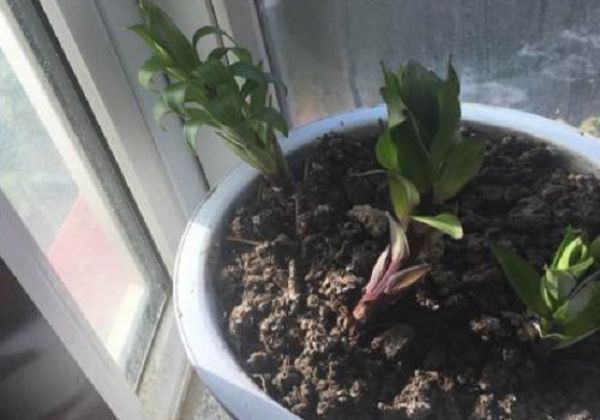
Lilies normally grow lush green leaves and bloom with very delicate, lovely flowers, giving them extremely high ornamental value. But this flowering plant has relatively high requirements for its growing environment and care conditions, and the slightest misstep may lead to poor growth. For a flowering potted plant, this inevitably greatly reduces its ornamental value.
And so it happens that recently a friend encountered the situation of lily leaves becoming soft and curling. When a plant develops soft leaves and curled leaves, it affects not only growth and flowering but also its ornamental appeal. So we need to figure out exactly what is causing it.
Lilies prefer a fertile, loose, breathable, well-draining, humus-rich, slightly acidic potting soil environment, and their habits are that they like light but cannot tolerate strong light, like warmth but cannot tolerate high temperatures, and like moisture but cannot tolerate waterlogging. If the care environment is unsuitable and the growing conditions cannot be met, the plant tends to develop one problem or another.
Facts have shown that when a potted lily's growing environment has relatively high humidity, relatively poor ventilation and insufficient light, it is often relatively easy to cause the plant to develop soft, curling leaves. But it may also be caused by damage to the roots resulting from overwatering that causes water to accumulate in the pot. So generally we need to start rescue efforts from these two aspects.
When lilies develop soft leaves and curled leaves, we must pay attention to it. If it is caused by a poor growing environment, generally we only need to promptly improve the care conditions. Generally, we control it in time and place the plant in an environment with ample light and smooth ventilation, and it can gradually recover.
But if it is caused by root rot, we still have to first determine the extent of the root rot. If the root rot is only mild, usually we just need to water with some carbendazim solution and pay attention to controlling water in normal care. But if the root rot is relatively severe, we must promptly trim the roots and disinfect them, then change the pot and soil and replant, otherwise it may cause the plant to die.