How Does Clivia Overwinter in the North? A Detailed Guide to Winter Care Methods
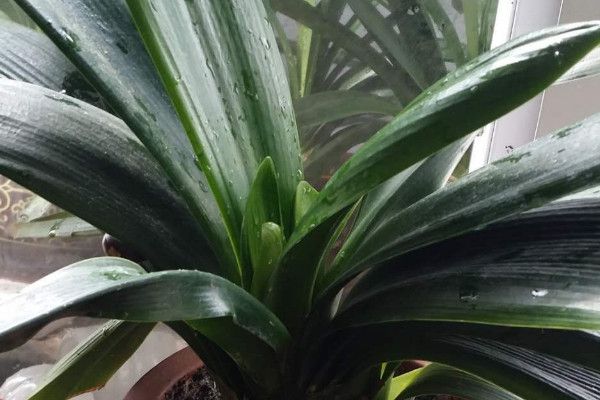
If you want your clivia to safely overwinter in the north, you need to move the plant indoors where it is warmer and the temperature is easier to adjust, keep the temperature stable between 15-23°C, maintain a day-night temperature difference of 5-8°C, let the plant receive light regularly, and when watering, make sure the water temperature does not differ too much from the soil temperature.
Methods for Getting Clivia Through Winter in the North
1. Move It Indoors
In the north, winter temperatures can sometimes drop to extremes of minus 30°C, and clivia placed outdoors will certainly freeze to death, so you must move the clivia indoors for care. Indoor temperatures are not only higher, but also easier to adjust according to actual needs.
2. Adjust the Temperature
Indoor temperatures cannot stay constant either. The clivia, as a plant, is different from ordinary green plants: in winter it needs a certain temperature difference, and only with a suitable temperature difference can the plant grow better. Therefore, the indoor temperature is best kept stable at around 15-23°C, with a day-night temperature difference of 5-8°C being ideal.
3. Light Control
When caring for clivia in winter, it must receive enough light to grow and develop normally and maintain basic physiological activities. The intensity of winter sunlight is far lower than that of summer sunlight, so the plant can be given light all day long; winter light will not scorch the plant, and if the weather warms up you can also open the window.
4. Watering Control
When caring for clivia in winter, it is very easy to cause cold damage to the plant. This is because the water temperature when watering in winter is too low, and after touching the soil layer that is closer to room temperature, it causes cold damage to the plant. Therefore, when watering the plant, leave the water indoors for a period of time, and water only after the water temperature has risen again.