Why do the tips of bowl lotus buds turn black and wither after emerging above the water surface?
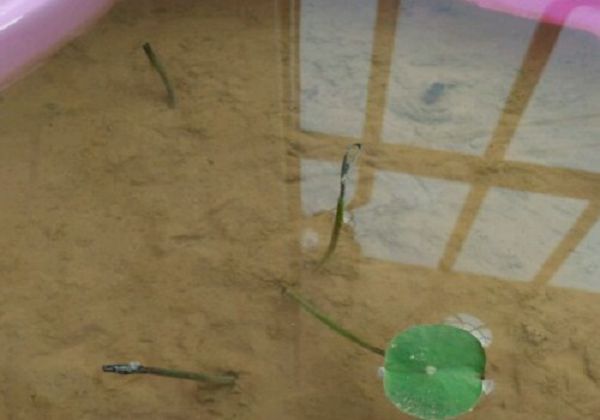
Bowl lotus is deeply loved by many growers for its highly ornamental value, but those who have grown bowl lotus in pots may have encountered the situation where, in home pot cultivation, the bud tips of bowl lotus turn black and dry up after emerging above the water surface. This not only affects the normal growth of the bowl lotus, but also looks unattractive when grown as a potted plant.
Observant growers may notice that bowl lotus growing in wild ponds rarely develops blackened, withered bud tips after the buds emerge above the water surface, so why is this situation so much more common in home pot cultivation? There must be a reason, and it should be a problem with the growing environment.
The root cause of blackening and withering in bowl lotus tender buds is dehydration. The reason is that in a home pot-growing environment, air circulation is often not as smooth as outdoors, and there is even less likely to be frequent wind. If we place the pot in an environment with poor ventilation and little sunlight, not only will there be no wind to accelerate water transpiration, but photosynthesis will also be weak, so the plant grows relatively poorly and the tender buds cannot stay moisturized, leading to dehydration and the abnormal appearance.
Of course, if it is under direct strong light and the environment is also poorly ventilated, this will further accelerate dehydration of the tender buds after they emerge from the water, so it can also cause the tender buds to gradually turn black and wither just after emerging above the water surface. Although bowl lotus prefers light, the tender buds are relatively afraid of prolonged direct strong light, especially when ventilation is poor, and the bud tips are very prone to dehydration.
Bowl lotus in nature generally does not develop this condition, mainly because it is often exposed to wind and sunlight, and transpiration from the water surface is pronounced, which can effectively provide moisture retention for the tender buds that have just emerged above the water surface. Therefore, naturally, the tender buds will not dehydrate and develop blackening and withering. But in a home growing environment there is often no wind, and if the light is also inappropriate, the above adverse symptoms are often triggered.
Of course, it cannot be ruled out that the cause is deteriorated water quality or that we planted too early and the plant's root system has not yet grown well. Under these conditions, the plant's tender buds may also easily turn black and wither as soon as they emerge above the water surface. Therefore, we should promptly identify the crux of the problem and then take corresponding measures to avoid greater losses.