How to care for a Clivia after flowering: with seeds kept vs. without seeds kept
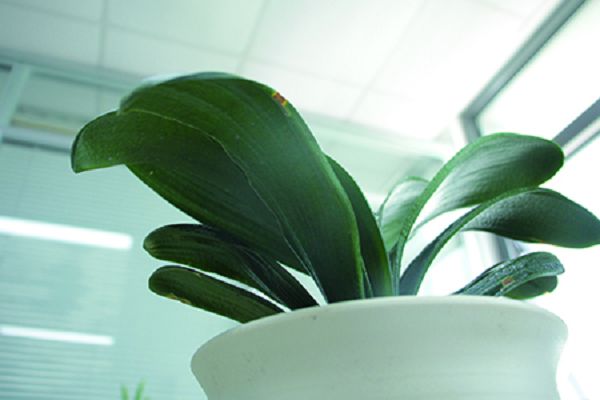
1. Keeping seeds
If you want the plant to keep seeds, it consumes quite a lot of nutrients. If you cannot care for it well, it will affect the plant's flowering the following year. When the plant is pollinated normally during its flowering period, do not cut off its flower stalk once it blooms. After flowering, a small fruit will form. When this small fruit turns from green to red, it becomes a Clivia seed. Let it wither naturally on its own. Once you see the seeds are mature, harvest them, and then cut off the flower stalk.
2. Not keeping seeds
If you are not keeping seeds, then you must promptly cut off the flowers that have finished blooming. When cutting, cut from its base. When cutting, do not let the sap that drips out run into the flower center. You can wrap it in paper before cutting, and once it dries, take it off. This can effectively avoid the loss of nutrients.
In addition, about one month after flowering, give appropriate fertilization. When fertilizing, just apply a light thin phosphorus fertilizer. The plant is best repotted with fertilizer once every two years, as this helps increase nutrients. To ensure the Clivia blooms for a long time, pay even more attention to repotting and fertilizing.
Furthermore, after the plant blooms, place it in a shady spot, because the plant is rather weak right after flowering, and at this time the light in its environment should also be weaker.