How should indoor bonsai be placed? Mastering these tips is enough
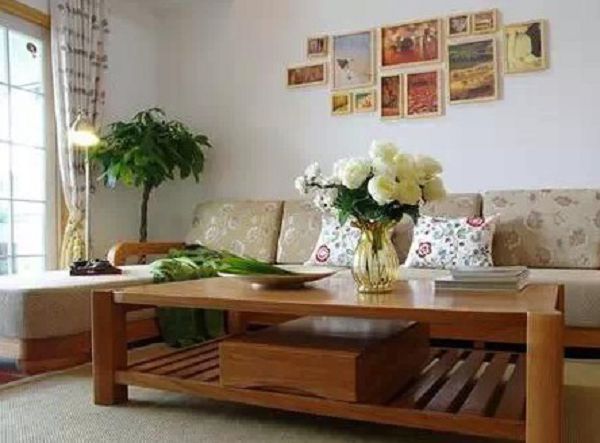
Placing bonsai in a home is simply to add cultural flavor to the environment and make the layout more flexible, but in daily life we often see awkward situations caused by improper bonsai choices or mismatched usage occasions. When choosing bonsai, besides paying attention to the appearance of the bonsai, we should also understand the connotations the bonsai is meant to express, so that the decorative role of the bonsai can be brought into full play to the greatest extent.
When choosing bonsai, besides paying attention to the appearance of the bonsai, we should also understand the connotations the bonsai is meant to express, so that the decorative role of the bonsai can be brought into full play to the greatest extent. We need to follow certain principles when choosing bonsai, and we should not casually pile up potted plants and bonsai. If too many bonsai are placed, it is easy to give people a feeling of chaos. We should choose according to the size and layout of the environmental space, and the main thing is that it should have distinctive features.
Although bonsai can enhance the artistic effect of indoor space, if attention is not paid to keeping it consistent with the style of the environmental space, it may affect the decorative effect of the bonsai. In daily life, it is often seen that families with European-style decoration choose ink-wash landscape-style bonsai with a strong Chinese flavor, which is rather laughable.
In addition, it is enough for bonsai to be suitable; there is no need to pursue large and tall ones. You should know that many small and exquisite bonsai are equally pleasing to the eye, and placing small bonsai in small apartments can also expand the space and even make the house layout more varied. If you are not confident about choosing bonsai, you can ask a few friends who understand art and fine arts to help with the purchase, because their understanding of aesthetics is deeper than ours, and they can often offer pertinent and effective suggestions. When buying bonsai, there is no need to buy overly expensive ones; it is best to buy ones that are relatively easy to maintain, so as not to affect the comfort of living instead.
1. The background should be simple
Generally, bonsai are plain and unadorned. The background is also required to be simple and light, and by no means colorful. The background is often milky white, light blue, or light yellow.
2. Try not to affect the growth of the plants
Displaying bonsai indoors provides poor light and poor air circulation, which affects photosynthesis and is unfavorable to plant growth, so they should be placed in sunny spots in turn to benefit plant growth. After placing them indoors for a period of time, the bonsai should be moved outdoors for a period of care.
3. The size of the bonsai should be coordinated with the room space
If the living room or room area is relatively large, the bonsai placed there should also be appropriately larger, so that the two are coordinated. Placing a small landscape bonsai with a pot length of only 20 cm in a living room of more than 20 sq m appears too small.
4. The placement height should be appropriate
For example, landscape bonsai should be placed at a height slightly below eye level, so that the beauty of the curves of the mountain foot and the charm of lakes and mountains can be appreciated. Cliff-style tree bonsai are best placed on stands above eye level, so that the momentum of trees hanging upside down from the cliff can be displayed.
5. Varieties should be properly matched
Generally, the living room area of an ordinary family is not very large, and placing 2-3 bonsai indoors is enough; because landscape bonsai, flowering and fruiting types among tree bonsai, and evergreen bonsai are different in category, show different scenery, and each has its own characteristics, so when placing them, bonsai of different varieties and categories should be arranged in a staggered way, which is more interesting.