How to make potted flowers beautiful and refined? Master these tips
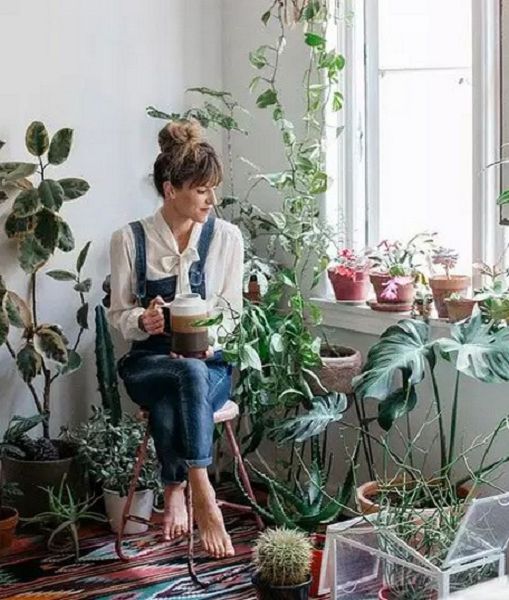
In city life surrounded by towering buildings, people often complain about the lack of nature's touch. Actually, as long as you are attentive enough, even a small corner at home can be styled to feel fresh and natural. Placing a green plant at home, making a flower arrangement, or growing a bonsai can all fill the home with a green and harmonious feel. The nine secret techniques of potted flower experts tell you how.
1. Plants: choose the right ones
(1) Thick, sturdy stems and branches. This indicates the plant is highly mature and has enough nutrients to continue supporting blooming.
(2) Many leaves. This indicates the plant is healthy enough. Of course, also check whether the leaves are glossy and whether the leaf color has turned yellow. In addition, for some plants, one leaf represents one blooming opportunity, so the more leaves, the higher the chance of blooming.
(3) Many flower buds. This indicates strong subsequent blooming ability. Try not to choose ones that are already fully bloomed; it is best to choose ones where buds account for more than 1/2.
2. Transport: be careful
Ask the shop staff to help you wrap the flowers and leaves with newspaper or a transparent sleeve, because many plants have relatively brittle stems and branches that break easily, and the flowers do not tolerate pressure. If you want the beautiful flowers from the flower market to arrive home intact, you need to put some thought into this.
3. Inspection: be thorough
Purchased potted plants will inevitably get some bumps during transport, so after returning home, remember to check whether the base of the plant (the part of the plant near the soil) is loose from the soil. If it is, you can tap the outer edge of the pot, or use your hands to adjust the soil gaps. This is because looseness at the root base can cause water loss and also give disease a chance to attack the health of the roots or the lower stems and branches.
4. Location: choose the right one
Choose according to the plant's needs: full sun on a balcony, partial sun by a window, or an indoor lighting environment of more than eight hours. This is because the vivid flower colors of most flowering plants come from the effect of photosynthesis, and when light is insufficient, flower fading is most likely to occur.
Of course, some plants are very afraid of direct light, so pay special attention when placing them to avoid sunburning the leaves. Therefore, after bringing a potted plant home, you must observe its growth over the first one or two weeks to judge whether the placement is suitable.
5. Watering: avoid the flowers
Before watering, first use your hand to feel whether the potted plant has become lighter, then judge whether watering is needed. If the plant appears collapsed, it is definitely short of water. On the other hand, when caring for flowering plants, before watering, use your hand to part the leaves and avoid the flowers; just water the soil. This is because most plants not only have short fine hairs on the petals, but even on the leaves as well, and these will hold moisture on them. Although it will not cause fatal damage, it will shorten the lifespan of the flowers.
6. Fertilizing: be diligent
Before fertilizing, first understand the length of the plant's flowering period. If it blooms only once a year and the flowering period is short, then after buying the potted plant home, there is no need to apply flower fertilizer; just apply a slow-release fertilizer once a season. If it is a plant that blooms year-round, has a long single flowering period, or blooms heavily all at once, it needs liquid flower fertilizer applied once every two weeks, and at the same time a slow-release fertilizer once a season.