How many years does a potted papaya need to bloom and bear fruit?
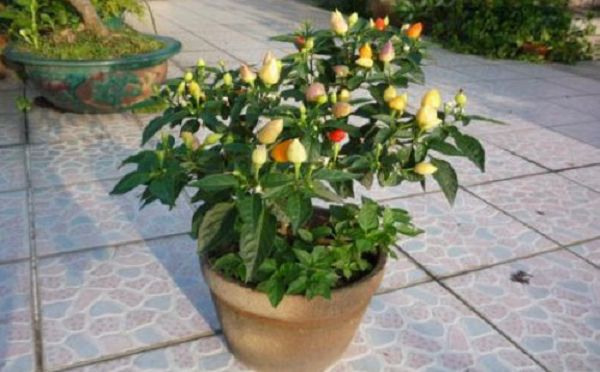
It is said that papaya has the effects of breast enhancement, beauty care, and quenching thirst in summer heat. Perhaps precisely because of these functions, papaya sales on the market have remained strong for a long time, and there was even a rush to buy them at one point. Regardless of whether papaya actually has the above effects, even when grown as a potted plant, it still has a certain ornamental value, and if it can bear papaya fruit, it can also satisfy the cravings of those who love to eat.
For gardening friends with rich experience in potted cultivation, growing papaya in a pot is a relatively simple matter. Usually you only need to prepare a flower pot of a suitable size, then sow some papaya seeds, and pay attention to keeping them warm and moist, and papaya seedlings can be propagated. The planting process of papaya is relatively simple, and it is also very easy to survive. It does not require especially careful care from us. As long as it can receive sufficient sunlight and be watered scientifically, it can grow. However, ?
From sowing to the seedlings growing up, potted papaya usually takes about half a year. In order to promote the plant to branch out and bloom and bear fruit, starting from the seedling stage, we need to apply fertilizer once every half month. If all goes well, usually after 2 months you can see the potted papaya producing small white-yellow flowers. After blooming, fruiting follows immediately, and it takes about another 2 weeks or so to bear fruit. All in all, it only takes at most one year of cultivation from start to finish.
For potted papaya from sowing to blooming and bearing fruit, if the plant's growing environment is suitable and our later care and management work is done properly, it can generally bloom and bear fruit in the same year. However, to successfully bear fruit, pollination during the flowering period is a link that cannot be ignored, because flowers that have not been pollinated cannot successfully set fruit. Therefore, when choosing a variety for potted planting, we must choose the kind that can self-pollinate.
The seeds of self-pollinating papaya varieties are generally relatively slender in shape, and the plants grown from them are also short-stemmed, so they are very suitable for potted cultivation. This is because this short-stemmed papaya variety is not only suitable for potted ornamental viewing, but can also bear attractive fruit. However, from sowing to blooming and bearing fruit, in addition to correct sowing and planting methods, the later care and management work must also be scientific and reasonable, so that the potted papaya can have both ornamental value and edible value.
After the potted papaya has grown and taken shape, watering work is inevitably indispensable. Usually, the principle of not watering until dry, and watering thoroughly when watering, is adopted. During the flowering period, it is advisable to keep the potting soil in a moist state, which can extend the flowering time, making it more ornamental for longer. But in order to also take fruiting into account, more attention should be paid to management after flowering. In addition to applying some decomposed organic fertilizer, you can also water with some diluted solutions such as potassium dihydrogen phosphate and ferrous sulfate, which can better promote blooming and fruiting, and at the same time provide enough nutrients to sustain flowering and support fruiting.