How to prevent cuttings from root rot? These methods you need to master
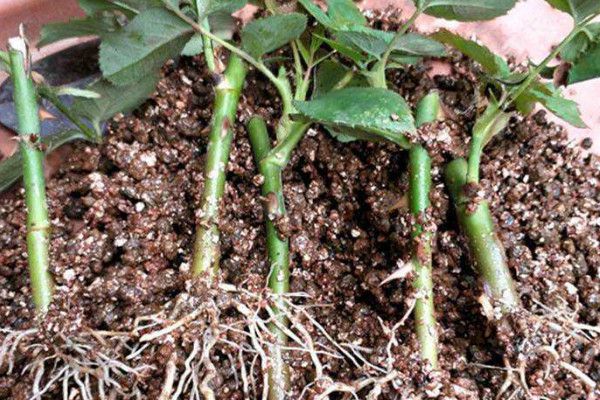
To prevent cuttings from root rot, we need to pay attention to the handling of the cuttings, the choice of soil, temperature control, watering management, and so on. The cuttings should be disinfected and air-dried, and inserted into loose, breathable soil, with the temperature kept stable between 15-25°C. Water sparingly in the early stage of rooting and use a spray to supplement moisture.
How to prevent cuttings from root rot
1. Handling the cuttings
To prevent the cuttings from developing root rot, the first step is to select suitable cuttings and handle them properly. We should choose mature, healthy branches, cut the wound smooth and even, disinfect and sterilize it with a carbendazim solution or similar, and let it air-dry in a semi-shaded, ventilated spot; this can reduce the rate of root rot.
2. Choosing the soil
Preventing root rot also starts with the soil. The soil should be a loose, porous, well-ventilated, fertile sandy soil. We can mix and prepare it using perlite, sandy charcoal soil, and humus soil, and so on. This kind of soil will not retain standing water, and can greatly reduce the chance of root rot caused by waterlogging.
3. Temperature control
It is best to take cuttings in spring and autumn, because the temperatures at these times are closer to the optimal growing temperature for cuttings, that is, the so-called temperature range of 15-25°C. At this temperature the cuttings can grow and develop relatively well, avoiding the rot of the cuttings caused by high temperatures.
4. Watering management
The biggest reason cuttings develop root rot is an imbalance in moisture. After we take the cuttings, the branches will only truly take root after 15 days, so during this period we should not water too often; it is enough for the soil to be slightly moist. And if the air is too dry, we can also use a spray to mist and increase humidity.