How to water ivy, how often to water ivy
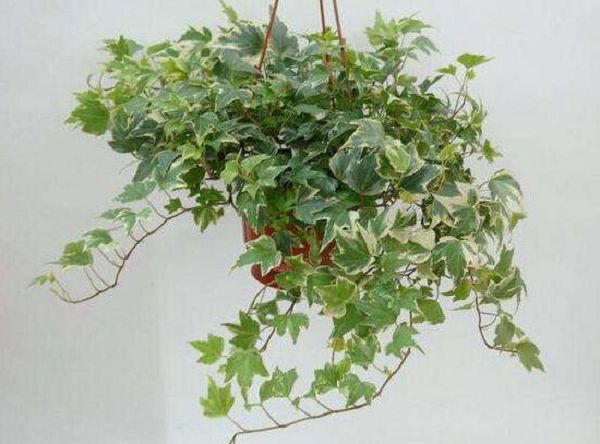
Ivy likes to grow in dark, humid environments and has a relatively high demand for water, so when people grow ivy, they need to water it at regular intervals; only in this way can the plant grow vigorously. However, many people do not know how often to water ivy. In fact, there is no fixed watering schedule for plants like ivy. Next, let's learn together with the editor about how to water ivy.
1. How to water ivy
All plants depend heavily on water, and ivy, as a green vine plant, is no exception. If it is not watered for a long time, it will directly cause the plant to turn yellow and die, so it must be watered on time. However, it should not be watered too much either, otherwise the pot can easily become waterlogged, directly causing the roots of the ivy to rot.
So when watering ivy, flower lovers can follow the principle of not watering when dry and watering thoroughly when watering. When winter comes, watering should be controlled even more, because at this time ivy has entered its dormant period and its growth will be very slow; it is enough to keep the potting soil slightly moist. In addition, when the climate is dry, clean water with a temperature close to the ambient temperature can be used to wash the leaves of the ivy, keeping the leaves shiny and clean.
2. How often to water ivy
For plants like ivy, there is no relatively fixed watering schedule. Usually we can water according to seasonal changes, always ensuring that the potting soil is dry and moist. When the soil in the flowerpot becomes dry, it can be watered at that time to ensure the soil moisture is even and thorough, but be sure to avoid waterlogging. When the weather is dry, water mist can be sprayed on the leaves to maintain the humidity of the surrounding air.
This is mainly because ivy is a shade-loving plant and does not need too much light, otherwise yellowing leaves will appear. Placing it in sunlight will also cause the water in the pot to evaporate too quickly, causing symptoms of withered leaves and even directly killing it, so everyone must pay extra attention.
3. Ivy watering methods
1. Water according to season and temperature
During the growing season of ivy, water frequently and adhere to the principle of watering when dry and not watering when wet. Be sure to water thoroughly, but do not let water accumulate in the potting soil, otherwise it will cause ivy root rot and leaf drop. In addition, when the weather is dry, clean water can be used to wash the leaves, which not only keeps the leaf surface bright and clean, but also increases air humidity. In winter, ivy's growth and metabolism are slower, so watering should be appropriately controlled; just keep the potting soil slightly moist.
2. Plan the watering amount based on growth conditions
Whether water is sufficient is best indicated by the growth condition of the ivy. One to two days after watering, observe the plant's growth. If the leaves are dark green with no abnormalities, do not water for the time being. If the plant wilts and yellow leaves appear, it may be due to overwatering, and it needs to be removed from the pot promptly. Secondly, you can also check the potting soil by inserting a wooden chopstick into the soil to check whether the bottom layer of the potting soil lacks water. If more wet soil sticks to the chopstick, the plant is not short of water; otherwise, replenish water promptly.
Conclusion: Through the detailed introduction above, I believe everyone now knows how to water ivy and how often to water ivy. Generally speaking, ivy should be watered once every three days, and the amount of water should not be too much, otherwise it will directly cause the plant to die.