How to grow corn poppies? Detailed guide to growing methods and precautions
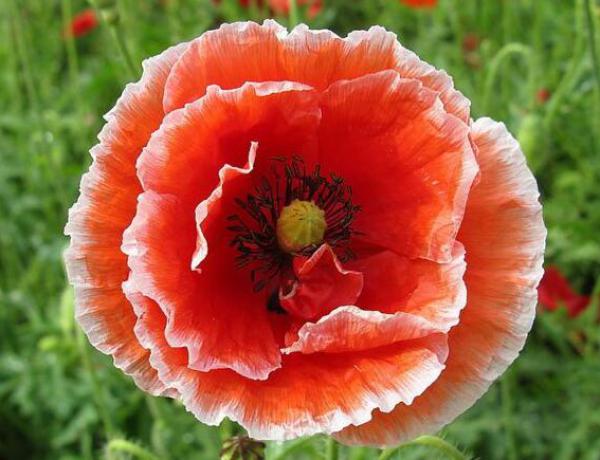
When it comes to corn poppies, everyone is surely familiar with them. The corn poppy is a common ornamental flower. Many flower lovers have also had experience growing corn poppies. So, do you know what techniques and precautions there are for growing corn poppies? Today, the editor will give you a detailed introduction to the relevant knowledge, so let's learn together.
1. Sowing and propagation: Sow seeds in a pre-prepared seedbed from September to October. The suitable germination temperature is 20°C. Because the seeds are very small, the seedbed soil must be finely prepared. After sowing, do not cover with soil; cover with grass to keep it moist, and remove the cover after seedlings emerge. Corn poppy seeds scatter easily, so after the environment has been planted for one year, sowing is no longer needed; countless small seedlings will grow on their own in the same spot.
2. Planting: After sowing and seedling emergence, if you do not transplant, you can thin and set the plants at a spacing of 20 cm x 30 cm. The planting time should be no later than 110-120 days before the date you want them to bloom. If you want to transplant, do it on a cloudy day when the seedlings have grown 3-4 true leaves. Before transplanting, water thoroughly, and when lifting the seedlings, keep soil around the roots and do not damage the roots.
3. Light: It prefers cool conditions and fears high temperatures. Warm winters and cool summers are most suitable for its growth. During the growing period, it requires sufficient light, with at least 4 hours of direct sunlight every day. If the growing environment is shady and light is insufficient, the plants grow weak and thin, and the flower colors are dull.
4. Temperature: The corn poppy is cold-resistant and afraid of summer heat. The suitable growing temperature is 12-20°C. When the temperature rises in summer, the corn poppy's growth weakens, and the aboveground parts turn yellow and die. Low nighttime temperatures are beneficial for growth and flowering, and it grows well in high-altitude mountainous areas.
5. Watering: When sowing, apply sufficient base fertilizer. During the growing period, it likes moist soil, so water it in a timely manner. Watering should follow the principle of "water when dry, stop when wet." Just after planting, control watering to promote root growth. After buds appear, provide sufficient water and keep the soil moist.
6. Fertilizing: Before flowering, apply dilute liquid fertilizer 1-2 times. After buds appear, spray a 0.1% potassium dihydrogen phosphate solution on the leaves once every 3 days to promote flowering. After the corn poppies bloom, promptly cut off the withered flowers so the remaining flowers bloom better.