Can Gloxinia tubers be cut apart for propagation in winter?
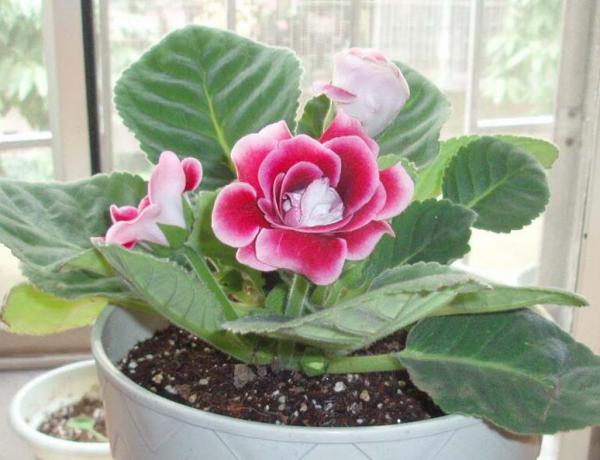
Gloxinia (Sinningia speciosa) is one of my favorite flowering potted plants. Its blooms are truly vivid, the colors are rich, and it can flower twice a year. As for Gloxinia propagation, the common methods are seed propagation, cutting propagation, and tuber propagation. Gloxinia's peak growing seasons are spring and autumn, so it mainly flowers in spring and autumn as well.
In the hot summer and the cold winter, Gloxinia goes dormant. Gloxinia likes a warm, humid, and bright-indirect-light environment and fears high temperatures and direct scorching sun. Once the temperature rises above 30°C, it will gradually enter dormancy, so summer is mainly a dormant period. Winter is bitterly cold, and Gloxinia is sensitive to cold. Once the temperature drops below 5°C, insulation measures must be taken; if it stays below 5°C for too long, it will suffer cold damage.
Cutting the tuber at the wrong time is futile
As for the question netizens care about, Gloxinia can indeed be propagated from tubers, so after autumn begins, it is also the time when many enthusiasts frantically hunt for tubers. After winter arrives, the upper leaves slowly wither and then it enters dormancy, so Gloxinia is not recommended for propagation in winter, unless it is in a greenhouse environment where the temperature is around 15°C for safe propagation.
For Gloxinia tuber propagation, you can directly bury the tuber in potting soil to propagate it, or you can cut the tuber apart to propagate it, just like planting potatoes, where you can directly cut potatoes into pieces to propagate them. Gloxinia is the same: you can directly cut the tuber apart to propagate it. However, in winter it is not recommended to cut the tuber apart; instead, the priority is to let it overwinter safely. It is recommended to take the Gloxinia corm out of the pot and store it in a cool, dry place to overwinter.
When spring arrives and all things revive, after seeing trees outdoors sprout buds, choose a Gloxinia corm that has already grown for 3 to 4 years, then cut it into four pieces, cutting it in half down the middle. It is worth emphasizing here that tubers at least 3 years old have a higher survival rate when cut apart. If the tuber is only one or two years old, the tuber is too tender, and when cut apart it is not easy to get results; just bury the intact tuber directly into the potting soil.
For a tuber that has been cut apart, bury it directly into the potting soil. Do not water it thoroughly; just place it in a cool, ventilated, bright-indirect-light spot for care. After 20 days, you will see the tuber begin to grow roots, and then you can mist it to maintain moisture during care.