What to Do When Orchid Leaves Develop Black Spots? Detailed Explanation of Causes and Solutions
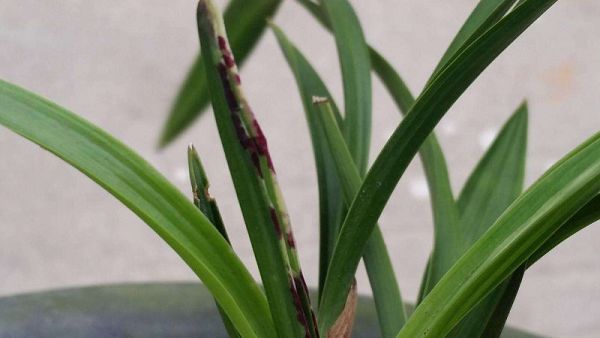
When orchid leaves have black spots, the first thing to consider is whether black spot disease has occurred. Generally, in the early stage of black spot disease, small brown spots appear on the leaf surface, and the more severe the disease, the darker the color. First, remove the affected leaves, then spray fungicides such as carbendazim for treatment, and improve the growing environment and strengthen care and management.
Black spots appearing on orchid leaves
I. Consider Black Spot Disease
When black spots appear on orchid leaves, it is very likely caused by black spot disease. In the early stage of the disease, small reddish-brown or purplish-brown spots appear on the leaf surface, and as the condition worsens, the color becomes darker and darker. In the early stage, you can cut off the affected leaves, spray fungicides for sterilization and relief, and improve the care environment.
II. Improve the Environment
Black spot disease is mostly caused by an unsuitable growing environment. First remove the diseased leaves and spray medication for disinfection. After that, move the potted orchid to a ventilated location for care, ensuring appropriate light every day. Do not keep it in a dark place for a long time or expose it to strong sunlight for extended periods.
III. Strengthen Care
Black spots on orchid leaves indicate that growth has been affected. The plant is not growing robustly enough, which is why it becomes diseased. Pay more attention to daily care and management such as watering and fertilizing. Water regularly to keep the potting soil slightly moist, avoiding problems such as waterlogging from excessive moisture. During the growing season, appropriately apply additional orchid fertilizer to promote growth and ensure healthy growth of the plant.