Clivia Spring Vernalization: Methods and Step-by-Step Guide
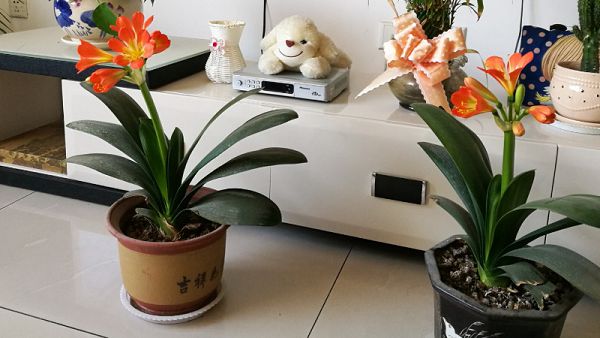
For Clivia vernalization, you first need to manage temperature control well. Before it sends up its flower stalk and blooms, place it in an environment with a room temperature of around 5-10°C. During this period, reduce watering, ideally keeping the soil slightly dry, and stop fertilizing. A Clivia that has undergone vernalization will produce more numerous and more vividly colored flowers, with higher ornamental value.
How to Handle Clivia Vernalization
1. Temperature Control Measures
For Clivia vernalization, we first need to manage temperature control well. Before it sends up its flower stalk and blooms, place it in an environment with a room temperature of around 5-10°C. This allows it to enter dormancy. During this time, its growth will be relatively slow, and nutrients will be concentrated. Afterward, control the temperature at around 15°C, and it will complete vernalization.
2. Less Water, Controlled Fertilizer
During vernalization, Clivia also needs reduced watering, ideally keeping the soil slightly dry, otherwise it easily suffers root rot. During vernalization, its demand for fertilizer is low, so you also need to stop fertilizing to avoid excess nutrients in the plant, which can easily cause fertilizer burn.
3. The Effect of Vernalization
In a Clivia that has undergone vernalization, the plant's nutrients accumulate in the flower buds, so when it blooms, the flowers will be more numerous and more vividly colored, with higher ornamental value. Without vernalization, its nutrients will be insufficient, making it difficult for the flower stalk to emerge, and it is very prone to the flower stalk getting stuck.